If you are looking for a Seattle neighborhood that feels connected, walkable, and close to some of the city’s best outdoor space, Phinney Ridge deserves a closer look. This ridge-top neighborhood blends everyday convenience with a strong sense of local identity, which makes it appealing whether you are buying your first Seattle home, relocating, or planning your next move within the city. Below, you will get a practical look at Phinney Ridge’s cafes, parks, housing mix, and community feel so you can decide whether it fits your lifestyle. Let’s dive in.
Why Phinney Ridge Stands Out
Phinney Ridge sits in north Seattle along a ridge that developed early thanks to streetcar access and its location near Green Lake and Woodland Park. Phinney Avenue N and Greenwood Avenue N run along the crest in the northern section, and those corridors still shape how the neighborhood feels and functions today.
The neighborhood takes its name from Guy Phinney, whose estate later became Woodland Park and the Woodland Park Zoo. That local history still shows up in the area’s layout, with older homes, established commercial pockets, and easy access to major green spaces.
It is also helpful to know that some public data groups Phinney Ridge with nearby Greenwood and other adjacent areas. That means official statistics can be neighborhood-adjacent rather than perfectly boundary-specific, but they still offer a useful snapshot of the area.
Phinney Ridge Cafes and Local Businesses
One of the biggest draws of living in Phinney Ridge is how daily life centers around the commercial corridors on Phinney and Greenwood avenues. These streets grew as a streetcar-era main street, with businesses concentrated around intersections, and that pattern still supports a neighborhood-friendly feel.
Today, the wider Green Lake, Phinney Ridge, and Greenwood area is known for a leafy, relaxed atmosphere with cozy restaurants and boutiques. For you, that can mean simpler errands, casual coffee meetups, and more reasons to stay local on a weekend.
While specific business lineups can change over time, nearby food and drink spots highlighted in the broader corridor include Olé Café, Aslan Brewing Tangletown, and TangleTown Public House. The bigger point is that Phinney Ridge offers a commercial strip that feels active without feeling overwhelming.
Community Events Add Local Energy
The Phinney Neighborhood Association is a major community anchor, based at the Phinney Center on Phinney Ave N. Its event calendar reflects how active and engaged the neighborhood is throughout the year.
Recurring events include the Phinney Farmers Market on Fridays from June through September, along with Garage Sale Day, Rainbow Hop Pride, Hunger Goblin, ArtWalk, and Winter Festival. The Bite of PhinneyWood also brings together more than 20 restaurants and cafes in the Phinney-Greenwood area.
For buyers, these events can say a lot about how a neighborhood lives beyond the housing stock. You are not just choosing a home. You are choosing a place where community spaces and local traditions help shape day-to-day life.
Parks Near Phinney Ridge
Phinney Ridge has strong access to some of Seattle’s most recognizable outdoor amenities. If parks and recreation matter to you, this is one of the neighborhood’s clearest lifestyle advantages.
Woodland Park and Green Lake are the two major destinations nearby. Together, they offer a wide mix of recreation, open space, and everyday ways to get outside without needing to leave your part of the city.
Woodland Park Access
Woodland Park sits just west and south of the neighborhood and includes a broad range of amenities. According to Seattle Parks, the park is split by Aurora Avenue N and includes the Woodland Park Zoo on the west side.
The park also offers picnic space, a formal rose garden, open areas, play areas, playfields, tennis courts, a skatepark, and a large dog off-leash area. On the east side, the park is set up for picnics, walking, and other everyday recreation.
That kind of access can make a real difference in your routine. Whether you want a morning walk, a place to meet friends outdoors, or more room to unwind close to home, Woodland Park adds flexibility to daily life.
Green Lake Recreation
Green Lake Park is just east of Phinney Ridge and remains one of Seattle’s best-known parks. It features a 2.8-mile loop path along with boating access, swimming beaches, fishing piers, athletic fields, picnic areas, and multiple recreation amenities.
For many residents, Green Lake becomes part of the weekly rhythm. It is a place for walks, runs, meetups, and time outside that does not require much planning.
Smaller Green Spaces
Phinney Ridge also has smaller-scale green space woven into neighborhood life. One example is the Phinney Ridge P-Patch at 5926 3rd Ave NW, which has 21 plots and was established in 1991.
Nicknamed Billy Goat’s Bluff because of its steep slope, it reflects the area’s topography and community character. Even small places like this can add to the neighborhood’s local, rooted feel.
Getting Around From Phinney Ridge
Transit in Phinney Ridge is centered on the same major north-south corridors that support shops and services. That is important if you want a neighborhood that feels residential but not cut off from the rest of Seattle.
King County Metro Route 5 directly serves Downtown Seattle, Fremont, Woodland Park, Greenwood, Phinney Ridge, Bitter Lake, and Shoreline Community College. In broader north Seattle, frequent downtown service also continues through Link connections and routes 5, 40, and 62, plus RapidRide D and E lines.
In practical terms, Phinney Ridge is not transit-isolated. Its location supports access to central Seattle destinations while still giving you a more neighborhood-centered living experience.
What Homes in Phinney Ridge Look Like
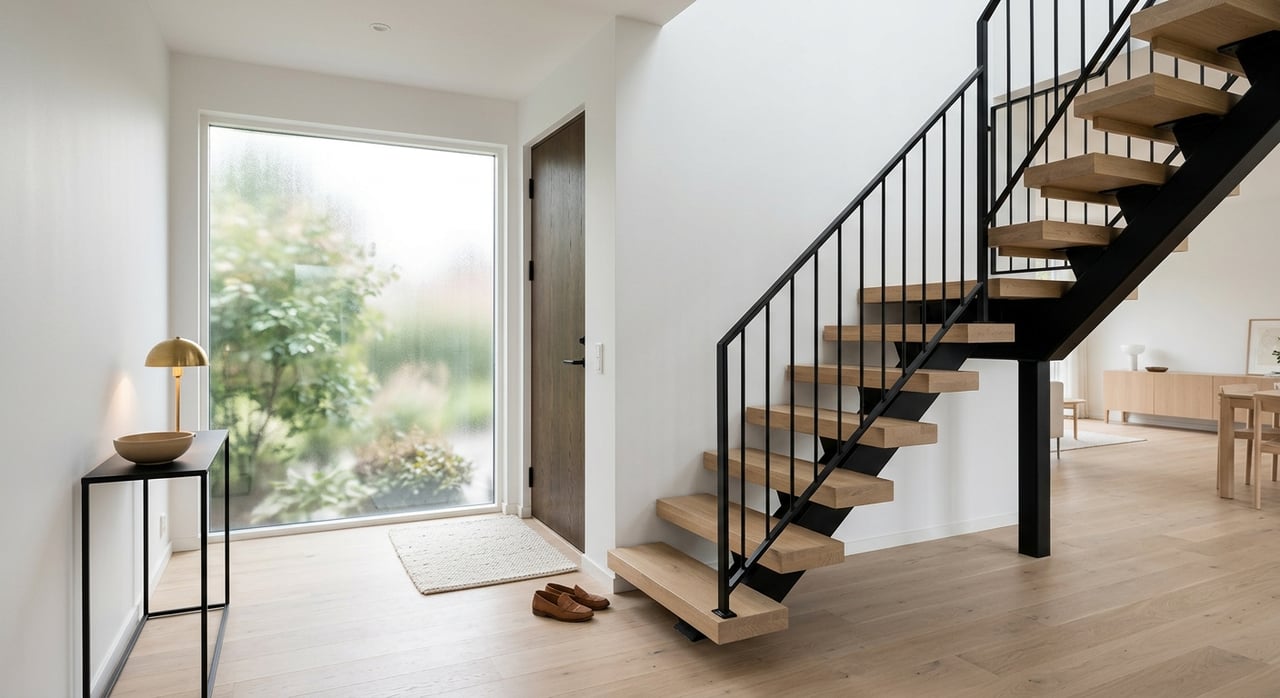
Phinney Ridge has a housing story shaped by early Seattle development and ongoing infill. If you like neighborhoods with architectural character, this is one of the area’s strongest selling points.
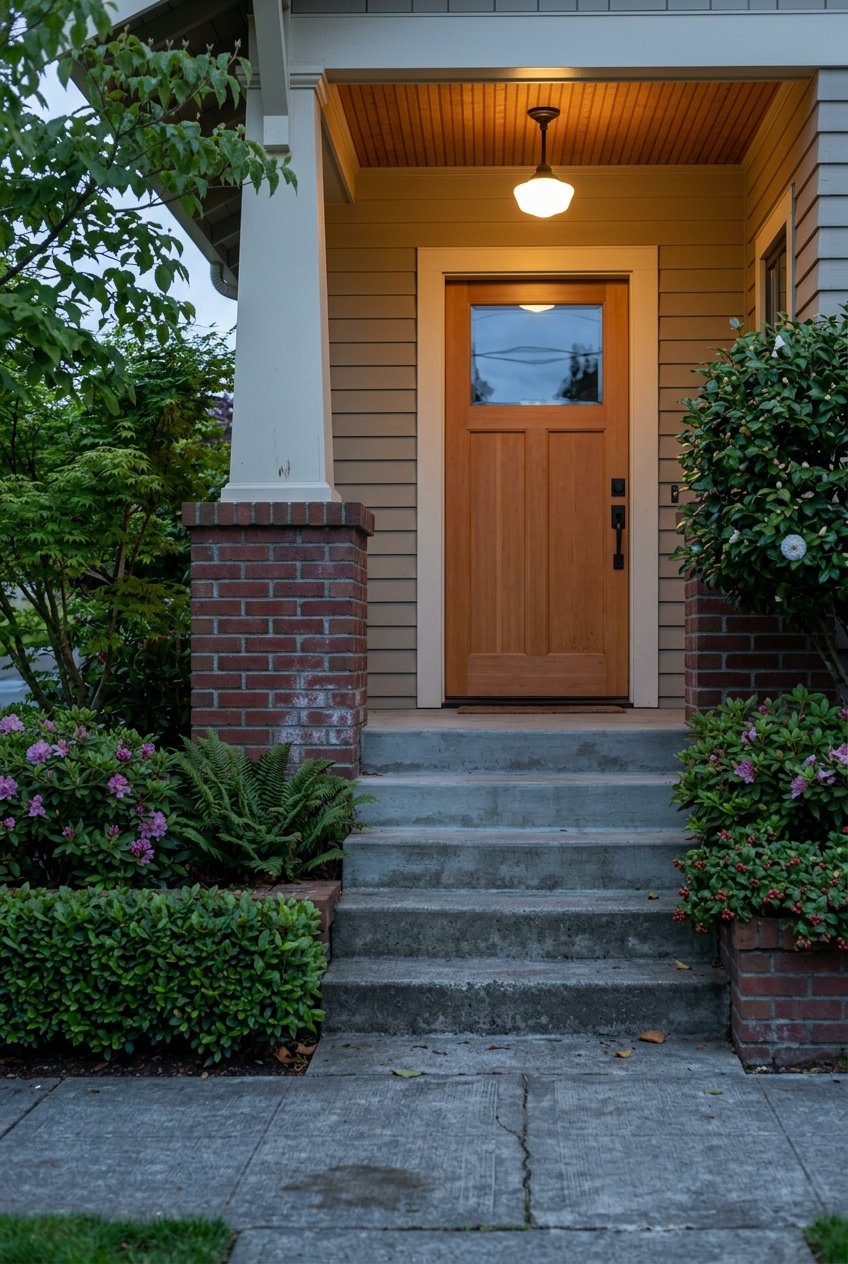
According to the King County Assessor, this is one of Seattle’s first developed neighborhoods, and about 67% of single-family homes were built before 1930. Historic sources note that box houses, Tudors, and Colonials were built here, though bungalows were the most common style.
That older housing base gives many streets a classic Seattle feel. At the same time, the neighborhood is not frozen in time.
Older Homes and Newer Options
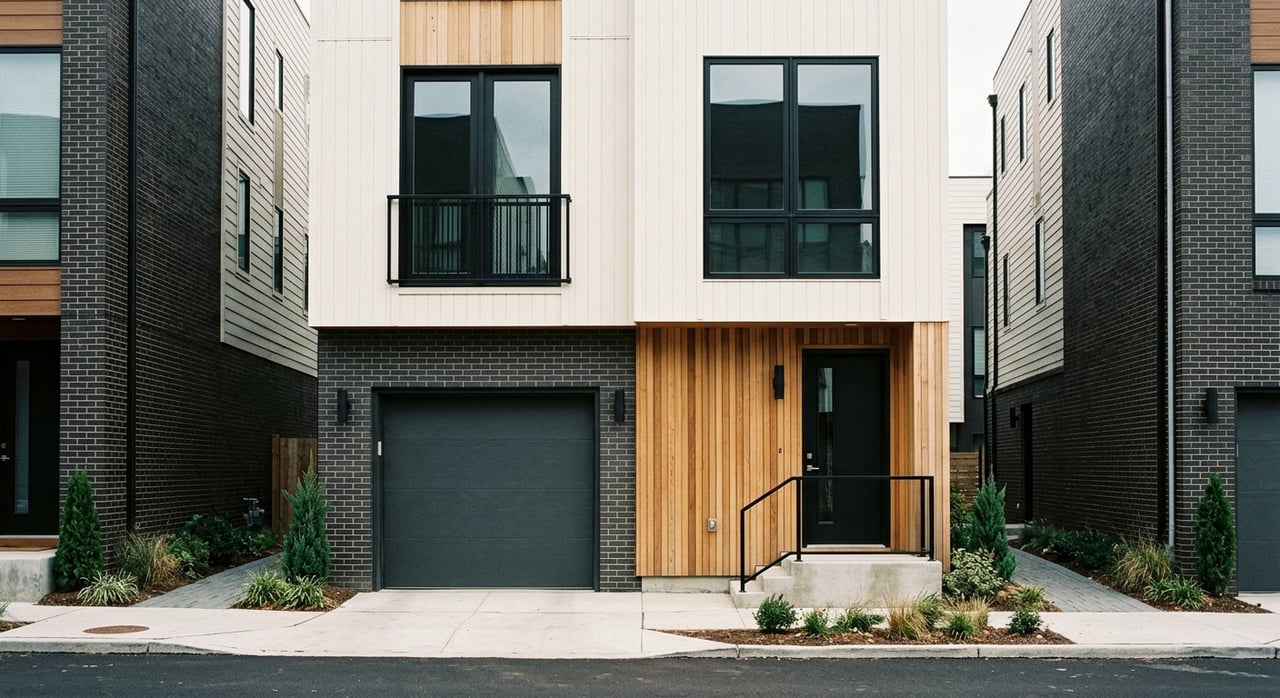
The assessor also reports brisk remodel activity, 297 new townhome units since the previous inspection, and growth in condominium construction on single-family parcels. That means buyers may find a mix of original early-20th-century homes, updated houses, townhomes, and condo infill.
For sellers, that mix matters too. It means pricing and presentation should be handled with a strong understanding of micro-location, home style, updates, and how your property compares to both classic homes and newer alternatives.
About 21% of properties in the broader assessor area enjoy some kind of view. In a ridge-top neighborhood, that topography can be part of the appeal, especially for buyers who value light, outlook, or a sense of elevation.
Who Lives in the Area
Seattle’s official neighborhood snapshots for Greenwood and Phinney Ridge use broader reporting areas rather than exact neighborhood lines, but they still offer useful context. The 2023 snapshot, built from 2021 five-year ACS estimates, shows a median household income of $116,896.
The same snapshot reports that 45% of households are renter households, 68% of residents have a bachelor’s degree or higher, 16.9% of residents are age 65 and older, and 12.2% are under 18. It also reports that 25.1% of residents identify as BIPOC, compared with 37.8% citywide.
Taken together, those figures suggest an established north Seattle area with a meaningful renter presence alongside longtime owner-occupied housing. For you, that can translate into a neighborhood with a mix of life stages, housing needs, and reasons for choosing the area.
What Living in Phinney Ridge Feels Like
Phinney Ridge tends to appeal to people who want a neighborhood that balances character and convenience. You get the feel of an established Seattle community, but you are also close to major parks, active commercial streets, and transit connections.
The overall experience is less about one single attraction and more about how the pieces fit together. Older homes, local businesses, community events, and outdoor access create a lifestyle that feels steady and connected.
If you are comparing north Seattle neighborhoods, Phinney Ridge is worth considering for its mix of classic housing, ridge-top setting, and everyday livability. It offers a version of Seattle living that feels grounded in place.
If you are thinking about buying or selling in north or central Seattle, working with a team that understands neighborhood differences can make the process much smoother. The Shutes Team offers thoughtful guidance, local insight, and polished marketing support to help you move with confidence.
FAQs
What is Phinney Ridge known for in Seattle?
- Phinney Ridge is known for its ridge-top setting, commercial activity along Phinney and Greenwood avenues, access to Woodland Park and Green Lake, and community events organized through the Phinney Neighborhood Association.
What parks are near Phinney Ridge?
- Major nearby parks include Woodland Park and Green Lake Park, and the neighborhood also includes the smaller Phinney Ridge P-Patch at 5926 3rd Ave NW.
What kinds of homes are common in Phinney Ridge?
- Phinney Ridge is known for early-20th-century homes, especially bungalows, along with box houses, Tudors, Colonials, remodeled properties, townhomes, and some condominium infill.
Is Phinney Ridge well connected by transit?
- Yes. King County Metro Route 5 serves Phinney Ridge directly, and broader north Seattle service includes connections through Link, routes 40 and 62, and RapidRide D and E lines.
Does Phinney Ridge have a strong community feel?
- Yes. Community life is supported by the Phinney Neighborhood Association and events such as the Phinney Farmers Market, ArtWalk, Winter Festival, Garage Sale Day, Rainbow Hop Pride, Hunger Goblin, and Bite of PhinneyWood.