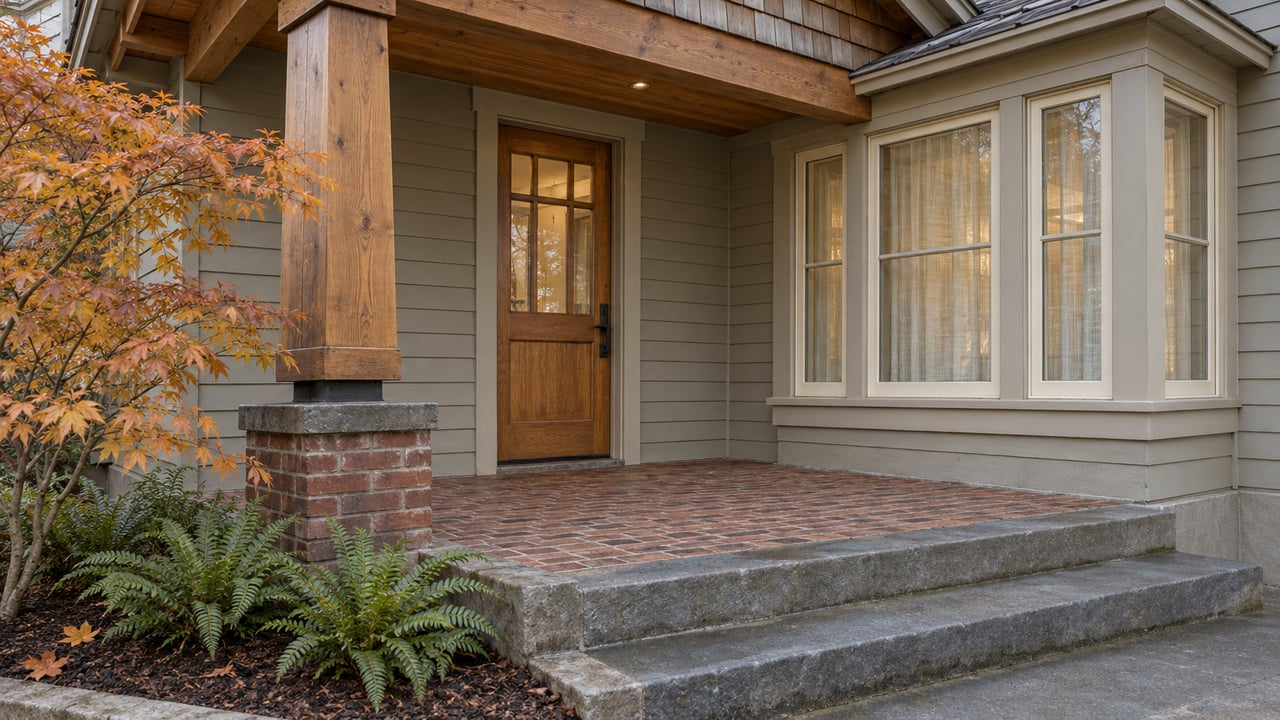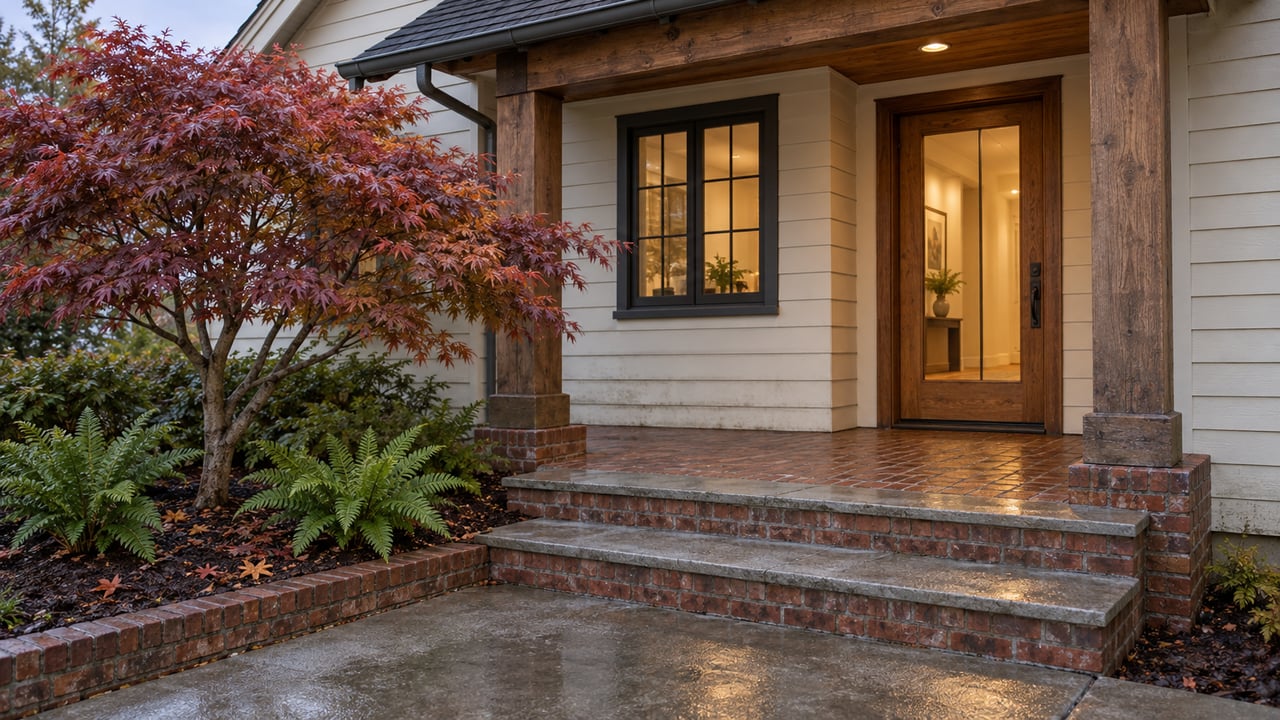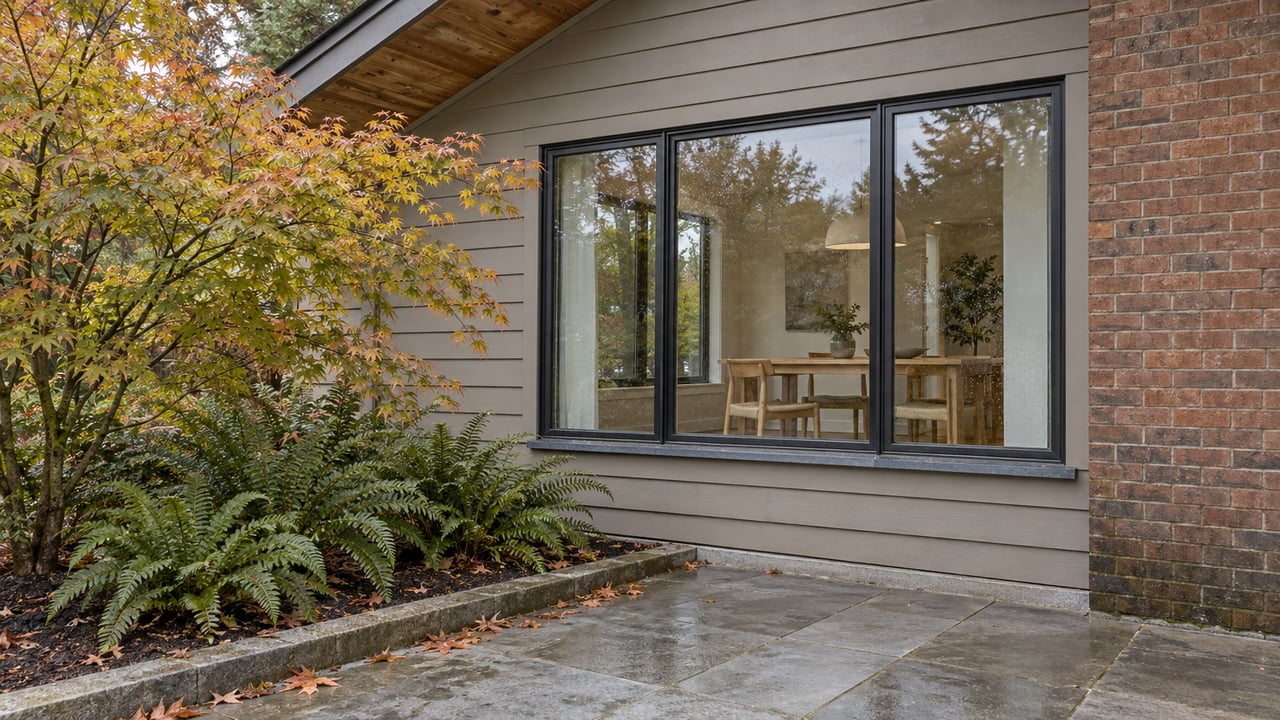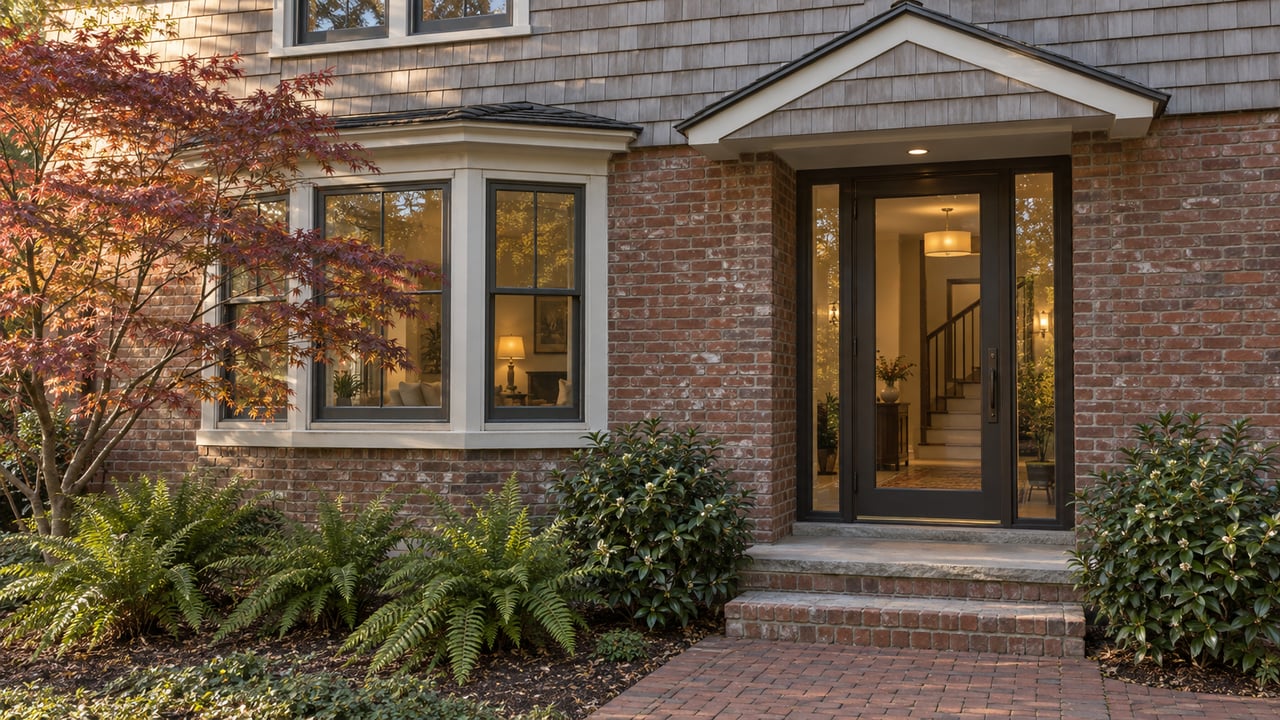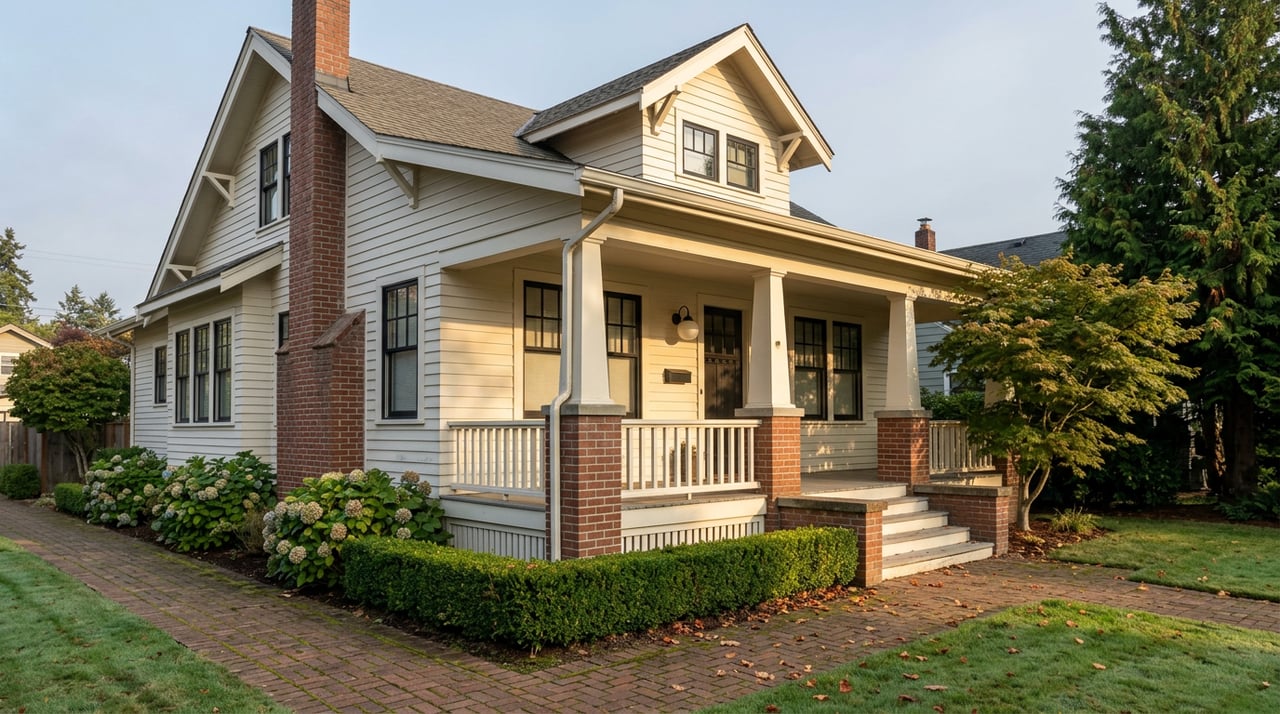
According to Publicola, the fee difference can make a Neighborhood Residential lot cheaper for redevelopment than a lot in an MHA-applicable zone. In Phinney Ridge, redevelopment on a bungalow lot can cost less than on a lot one zone over.
The reason has nothing to do with lot size, views, or how close a parcel sits to Woodland Park Zoo. It has to do with a fee that applies to one zone and not the other, and it explains something the median price on a listing site cannot: why the zoning map changed everywhere in Phinney Ridge this year, but the actual building hasn't.
The Line Down the Middle of the Neighborhood
Seattle's permanent middle-housing zoning took effect January 21, 2026, and it rewired what every residential lot in the city is allowed to hold. Under the new Neighborhood Residential rules, any lot without a critical area constraint can now support at least four homes. Lots within a quarter mile of a major transit stop, or where two of the units are set aside as affordable, can go up to six.
That quarter-mile line matters more in Phinney Ridge than in most neighborhoods, because, according to Wikipedia, the qualifying transit is the RapidRide E Line, which runs on Aurora Avenue North, the neighborhood's eastern edge. That puts a narrow strip of parcels near Aurora in the six-unit tier while the bungalow-and-box-house blocks that make up most of the neighborhood, the streets platted a century ago on lumber baron Guy Phinney's old estate, sit in the four-unit tier instead.
| Baseline interior blocks | Aurora-adjacent strip | |
|---|---|---|
| Distance from RapidRide E | More than a quarter mile | Within a quarter mile |
| Units allowed per lot | 4 | Up to 6 (or with 2 affordable units) |
| Typical housing stock | 1900s-1910s bungalows and box houses | Mixed residential and commercial |
A rezone changes what a lot is legally allowed to hold. It does not change what already sits on it.
The Fee Difference Between the Two Zones
Here is the part that actually moves the numbers for anyone thinking about redevelopment. Seattle's Mandatory Housing Affordability program requires developers building in certain zones to either set aside affordable units or pay a per-square-foot fee into the city's affordable housing fund. That requirement applies in some zones, including Lowrise districts near commercial corridors, but not to the old single-family areas, now called Neighborhood Residential.
The zoning change did not change which lots owe an MHA fee. So today, a builder can pursue redevelopment on a bungalow lot in the interior of Phinney Ridge and on a Lowrise lot near the PhinneyWood commercial strip, but only the Lowrise project may owe the city an MHA fee.
Publicola reported Seattle City Council's land use committee chair, Eddie Lin, asking why anyone would build in a Lowrise zone "if you can build the same thing in neighborhood residential." The Seattle Council Blog described the comprehensive plan process that produced this split, and the city's own housing office has flagged the same effect in writing, noting that MHA-applicable townhome development could fall off as builders shift toward the fee-free Neighborhood Residential lots instead.
For a Phinney Ridge homeowner, that means the plain single-family lot under a 1915 bungalow is not just legally allowed to hold more units than it used to. Under current fee rules, it is a cheaper place to build those units than a lot the city specifically rezoned for that purpose seven years ago.
Why Redevelopment Hasn't Shown Up
None of this has translated into visible construction, and the reason is the same one showing up across Seattle's whole permitting pipeline. Housing permits citywide fell to fewer than 2,000 units in 2025, a decade-long low and a drop of roughly 88 percent from the 2020 peak of 17,400. Through the middle of 2026, developers had filed permits for just over 1,100 new units citywide, against more than 8,600 filed over the same stretch of 2020.
Construction costs and financing at rates near 7 percent are doing more to slow building than any zoning line ever did. A fee exemption lowers the cost of a project. It does not make the project pencil if rents in the area can't cover what it costs to build. That gap between what the zoning map permits and what a lender will actually finance is the reason Phinney Ridge hasn't seen a wave of teardowns since January, even on the lots that now carry the clearest financial advantage to redevelop.
What the Market Is Actually Saying
Seattle overall has shifted into a buyer's market this year. As of the report covering August 2026 sales, the city had climbed to 4.3 months of resale inventory, the first time it has crossed that threshold since January 2012, and buyers citywide now have more homes to compare and more room to negotiate.
Phinney Ridge hasn't followed that pattern. As of March 2026, the neighborhood's median sale price stood at $1.4 million, up 5.8 percent year over year, with homes typically going under contract within about six days. That is not the profile of a submarket bracing for a supply shock. It is the profile of a tight, competitive neighborhood where the theoretical density sitting on paper hasn't yet become inventory on the ground.
That gap between legal capacity and market behavior is worth sitting with if you're the one holding a bungalow lot. The zoning change gives a future buyer options your listing didn't carry a year ago. It does not, on the evidence so far, mean your block is about to fill in with fourplexes, and it does not mean the character that drew you to Phinney Ridge in the first place, the walk to the PhinneyWood shops, the streets Guy Phinney's original plat laid out for working families, is disappearing on any near-term timeline.
It's also worth remembering that gentle density on these blocks isn't entirely new. Some of the neighborhood's early-century Craftsman homes were already divided into units decades before this year's rezone, a pattern you can still see in listings for century-old houses converted into small multi-unit buildings. HB 1110 expanded what's possible. It didn't invent the idea.
What to Check Before You List or Offer
If you're weighing a Phinney Ridge purchase or preparing to sell a lot on one of the neighborhood's older blocks, a few specifics are worth confirming before you set a price or write an offer:
- Which zoning tier your parcel actually sits in, since the boundary runs through the neighborhood rather than around it. The city's zoning map will show the quarter-mile line from the RapidRide E stops.
- Whether an MHA obligation attaches to the parcel if a buyer intends multifamily construction. It generally doesn't for Neighborhood Residential lots today.
- Whether any existing structure on the lot already counts as legal multi-unit housing, since some of the neighborhood's older conversions predate current permitting records.
- What comparable sales in your specific block, not the neighborhood average, are actually doing, since the density story affects lots unevenly depending on that transit line.
A Few Direct Questions
Does the new zoning mean my neighbor could build new housing without telling anyone? Standard permitting and design review still apply to any new construction. The zoning change affects what's legally allowed on a lot, not whether the city skips its usual permit process.
Will this eventually lower home values in Phinney Ridge? The market data through spring 2026 doesn't show that yet. Prices and days on market in the neighborhood have moved in the opposite direction, though zoning changes of this scale tend to play out over years rather than months.
Is my lot in the six-unit tier or the four-unit tier? It depends on distance from the RapidRide E stops along Aurora Avenue North. The city's zoning lookup tool will show the exact line for any address, and it's worth checking before you assume either way.
If you're trying to figure out what a specific Phinney Ridge lot is actually worth given where it sits on that map, or you want a straight read on how a listing in this market is likely to perform right now, The Shutes Team can walk through the specifics with you and help you get your instant home valuation.
This article is general information, not legal, tax or financial advice. Consult a qualified professional about your situation.