If you want to buy in Capitol Hill, one question usually shapes everything else: should you aim for a condo or stretch for a house? That choice affects not just your monthly budget, but also your day-to-day routine, privacy, upkeep, and how you experience one of Seattle’s most active urban neighborhoods. The good news is that Capitol Hill offers real options at different price points. Let’s break down how houses and condos compare so you can decide what fits your lifestyle and finances best.
Capitol Hill Price Differences
In Capitol Hill, the gap between condo pricing and house pricing is significant. Recent market sources do not show one single neighborhood-wide median, so it helps to look at each housing type separately and name the source and timing.
Redfin shows Capitol Hill condos with a median listing price of $415,000 and 62 active condo listings. Zillow’s active condo listings range from about $274,999 to $2.35 million, with many one-bedroom options in the low-to-mid $300,000s and many two-bedroom units in the $500,000s to $600,000s.
Single-family homes sit in a very different budget category. Homes.com reports a $1,349,950 median single-family sale price over the last 12 months, while Zillow shows active single-family listings from roughly $950,000 to $6.5 million. In practical terms, condos are the lower-entry-price path into Capitol Hill, while houses require a much larger budget.
Why Condos Appeal to Many Buyers
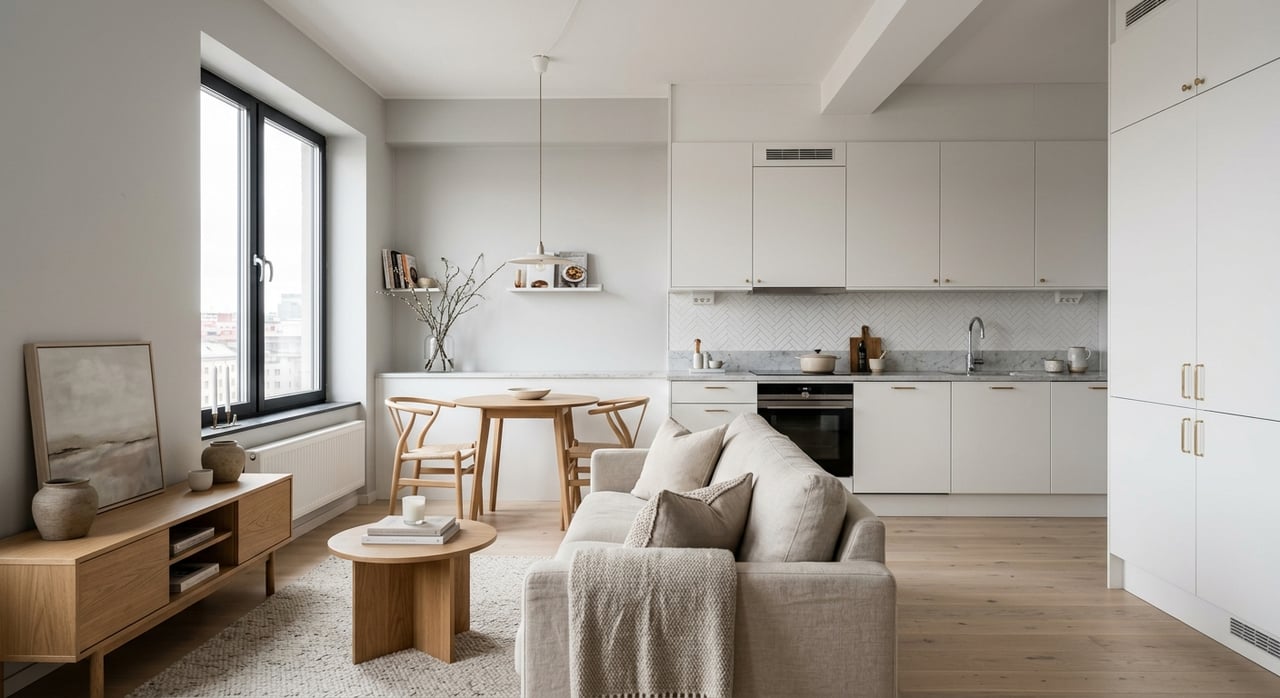
For many buyers, a condo is the most realistic way to own in Capitol Hill without reaching into seven-figure house pricing. If your goal is to live close to restaurants, transit, and everyday conveniences, a condo can make that possible at a lower starting cost.
That lower entry point matters in a neighborhood known for urban living. Capitol Hill has a Walk Score of 93, Transit Score of 76, and Bike Score of 84. Seattle planning materials also describe the area as a centrally located hub where many residents can walk, bike, and use transit for daily needs.
A condo can fit especially well if you want a car-light lifestyle. With Link light rail access, strong transit connections, and high walkability, many buyers find they can prioritize location and convenience over square footage.
Why Some Buyers Still Prefer Houses
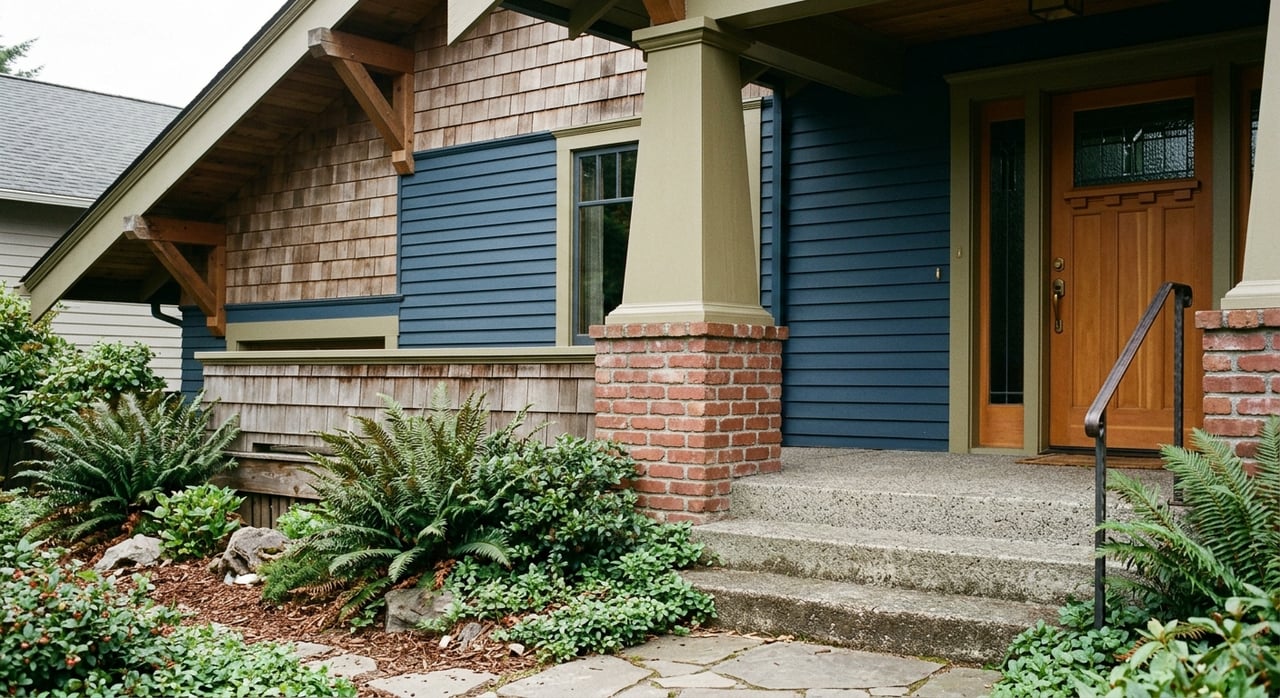
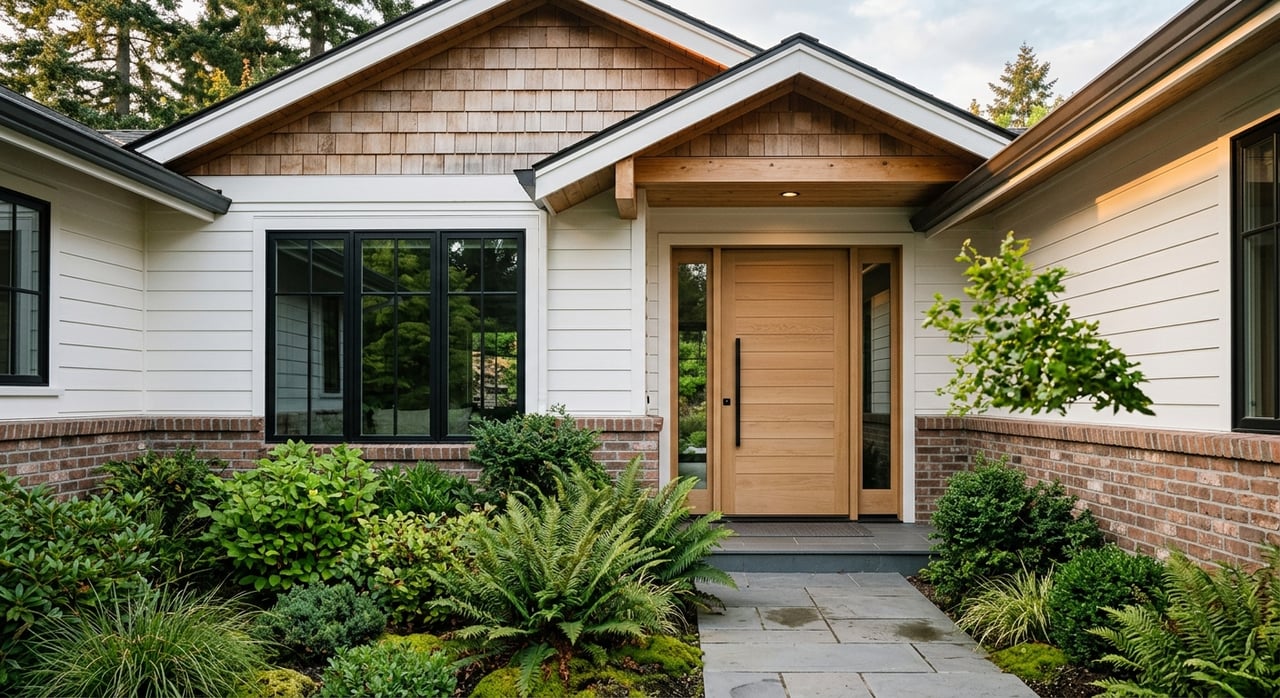
Even with the higher price tag, a house offers things a condo usually cannot. You typically get more space, more separation from neighbors, and more control over how you use and update the property.
That control can matter a lot over time. If you want flexibility for renovations, outdoor use, storage, or simply more privacy, a detached home usually gives you more freedom than a condo governed by association rules.
A house may also feel like a better fit if you plan to stay put for several years. The higher upfront cost comes with more responsibility, but for some buyers, the trade-off is worth it for the added room and independence.
Budget Is More Than the Purchase Price
When you compare condos and houses, it is important to look beyond the listing price. True affordability includes the ongoing costs of ownership, and those costs differ in meaningful ways.
With a house, you are generally responsible for repairs and maintenance. That can include routine fixes as well as major items like roofing, plumbing, and exterior upkeep. The cost is not always predictable, so buyers should plan for both regular maintenance and unexpected repairs.
With a condo, some of that shared-property upkeep is handled through the homeowners association. But that convenience comes with mandatory assessments, usually paid monthly or annually, along with community rules and shared decision-making.
Condo Costs to Review Carefully
In Washington, condominiums and other common-interest communities operate under governing documents such as CC&Rs and collect mandatory assessments for shared-area maintenance, insurance, and administration. State guidance notes that these assessments can range from about $20 per year to more than $2,000 per month, depending on the community.
That wide range is why condo affordability deserves a closer look. A lower list price can still come with notable monthly dues, and those dues affect your total housing cost just as much as your mortgage payment does.
Before buying a condo, pay close attention to these factors:
- Monthly or annual HOA dues
- Reserve funding and reserve study strength
- What the master insurance policy covers
- Whether unit owners need added interior coverage
- The possibility of special assessments
- Rules that may affect renovations or use of shared spaces
Washington law also requires common-expense assessments at least annually. Depending on the governing documents, associations may assess certain expenses against units, including some deductible-related or common-element costs.
House Costs Come With More Control
A house does not come with HOA dues in the same way a condo does, but it does come with more direct responsibility. If something breaks, you are usually the one arranging the repair and paying the bill.
For some buyers, that feels like a burden. For others, it feels like freedom. You are not relying on an association to make decisions about repairs, reserve spending, or building policies, and that independence can be a major advantage if you value autonomy.
The trade-off is simple: houses often give you more control, but they also make you fully responsible for upkeep.
Lifestyle Fit in Capitol Hill
Capitol Hill is not a one-note neighborhood. Seattle planning and design guidance describe it as vibrant, urban, and active, while also noting quieter residential pockets with a leafier feel.
That block-by-block variation matters when deciding between a condo and a house. If you want to be near nightlife, arts venues, restaurants, and transit corridors, a condo may place you closer to that energy. Seattle’s arts materials also describe Pike/Pine as the densest arts neighborhood in Washington, which helps explain why some parts of Capitol Hill feel especially active.
If you prefer a calmer setting, a house on a quieter residential street may be more appealing. Even within the same neighborhood, the daily experience can feel very different depending on the location and building style.
Privacy and Noise Trade-Offs
Privacy is often one of the biggest lifestyle differences between condos and houses. In multifamily buildings, units commonly share horizontal and vertical walls, which can mean more awareness of neighbors and less separation.
That does not mean every condo feels noisy, but it does mean privacy depends heavily on the building, layout, and location. A unit near busy corridors or nightlife may feel different from one on a quieter side street.
A detached house usually offers more physical separation and more control over your immediate environment. If peace, outdoor space, or fewer shared boundaries matter to you, that can be a strong reason to focus on houses despite the higher cost.
Which Option Fits Your Goals?
A condo may be the better fit if you:
- Want a lower entry price in Capitol Hill
- Prefer a walkable, transit-friendly lifestyle
- Are comfortable with HOA dues and association governance
- Want less responsibility for exterior and shared-area maintenance
- Prioritize location over space
A house may be the better fit if you:
- Have room in your budget for a much higher purchase price
- Want more privacy and separation
- Value control over updates and property use
- Need more interior or outdoor space
- Expect to stay longer and want a more customizable home
Neither option is automatically better. In Capitol Hill, the right choice usually comes down to how you balance budget, maintenance, privacy, and daily lifestyle.
A Smart Way to Compare Homes in Capitol Hill
When you tour properties, try to evaluate each option through both a financial and lifestyle lens. A condo that looks affordable at first glance may feel different once you account for dues, insurance needs, and special-assessment risk. A house that offers more flexibility may come with ongoing maintenance costs that change your comfort level.
It also helps to think about your routine. How often do you use transit? Do you want to be close to nightlife and arts venues, or would you rather be a bit removed from that activity? How much space and privacy do you need for the way you actually live?
Those questions often matter just as much as the listing price. In a neighborhood as varied as Capitol Hill, building-by-building and block-by-block context can shape your experience every day.
If you want help comparing Capitol Hill condos and houses with a clear local lens, The Shutes Team can help you weigh pricing, lifestyle fit, and long-term value in Seattle’s neighborhood micro-markets.
FAQs
What is the price difference between Capitol Hill condos and houses?
- Capitol Hill condos generally offer a lower entry point, with active listings ranging from about $274,999 to $2.35 million and many units in the $300,000s to $600,000s, while single-family homes are typically priced much higher, with active listings around $950,000 to $6.5 million.
What extra costs should buyers expect with a Capitol Hill condo?
- Buyers should review HOA dues, reserve funding, insurance structure, governing documents, and the possibility of special assessments, since condo affordability depends on more than the purchase price.
What maintenance responsibilities come with a Capitol Hill house?
- With a house, you are generally responsible for repairs and upkeep, including routine maintenance and larger expenses such as roofing, plumbing, and exterior work.
Is Capitol Hill a good neighborhood for a car-light lifestyle?
- Yes. Capitol Hill has strong walkability, transit access, bike infrastructure, and light rail service, which makes car-light living realistic for many residents.
How does privacy differ between Capitol Hill condos and houses?
- Condos often involve shared walls or floors, which can mean less separation from neighbors, while detached houses usually provide more privacy and control over your immediate surroundings.
How should buyers choose between a Capitol Hill condo and house?
- The best choice depends on your budget, desired level of maintenance, need for privacy, and how closely you want to live to Capitol Hill’s more active urban corridors.