Wondering whether a Phinney Ridge Craftsman is all charm or a smart long-term fit too? If you are drawn to old-house character, walkable Seattle neighborhoods, and homes that feel distinctly rooted in place, Phinney Ridge probably already has your attention. The good news is that many of the features buyers love here are backed by real history, but so are the maintenance questions that come with older housing stock. This guide will help you spot what makes these homes special, what to look at more closely, and how to shop with confidence. Let’s dive in.
Why Phinney Ridge Feels So Distinctive
Phinney Ridge is strongly tied to Seattle’s character-home story because of how the neighborhood developed. Historic city survey materials note that development was slower at first since the streetcar line ran east of the ridge, but once rail service reached the area and the city limits extended by 1909, residential growth spread along the ridge.
That timing matters because much of the neighborhood was shaped during Seattle’s streetcar-era building period. City materials also point to commercial activity along Phinney and Greenwood avenues, with nearby anchors like Woodland Park Zoo and Green Lake Park helping create a neighborhood identity that feels established rather than generic.
Phinney Ridge also has a strong physical setting. According to King County Assessor materials for Area 042, which includes Phinney Ridge, the area is hilly and many homes may have views of Green Lake, the mountains, the ship canal, or Puget Sound depending on their slope and position.
The age of the housing stock is another big reason buyers associate the neighborhood with classic Seattle homes. The assessor reports that about 58% of houses in this area were built before 1930, which helps explain why older details and original architecture are still such a visible part of the streetscape.
What “Craftsman” Often Means Here
If you are shopping in Phinney Ridge, it helps to use the word “Craftsman” carefully. Seattle historic survey materials make clear that bungalow was the most popular early style in the area, while Box Houses, Tudors, and Colonials also appear.
In other words, many buyers use “Craftsman” as a catch-all for older character homes, but not every early house in Phinney Ridge is a textbook Craftsman. You will often see a mix of bungalow influences, modest plan-book design, and later updates that changed the original look over time.
That nuance is useful when you are comparing homes. A house may still offer the warmth, woodwork, and proportions buyers love even if it is not a pure architectural example.
Exterior Features Buyers Often Notice
Washington’s Department of Archaeology and Historic Preservation describes the bungalow as a one- or one-and-a-half-story house type with most living space on one floor. In Phinney Ridge and similar Seattle neighborhoods, that often translates to homes with a compact but well-planned footprint.
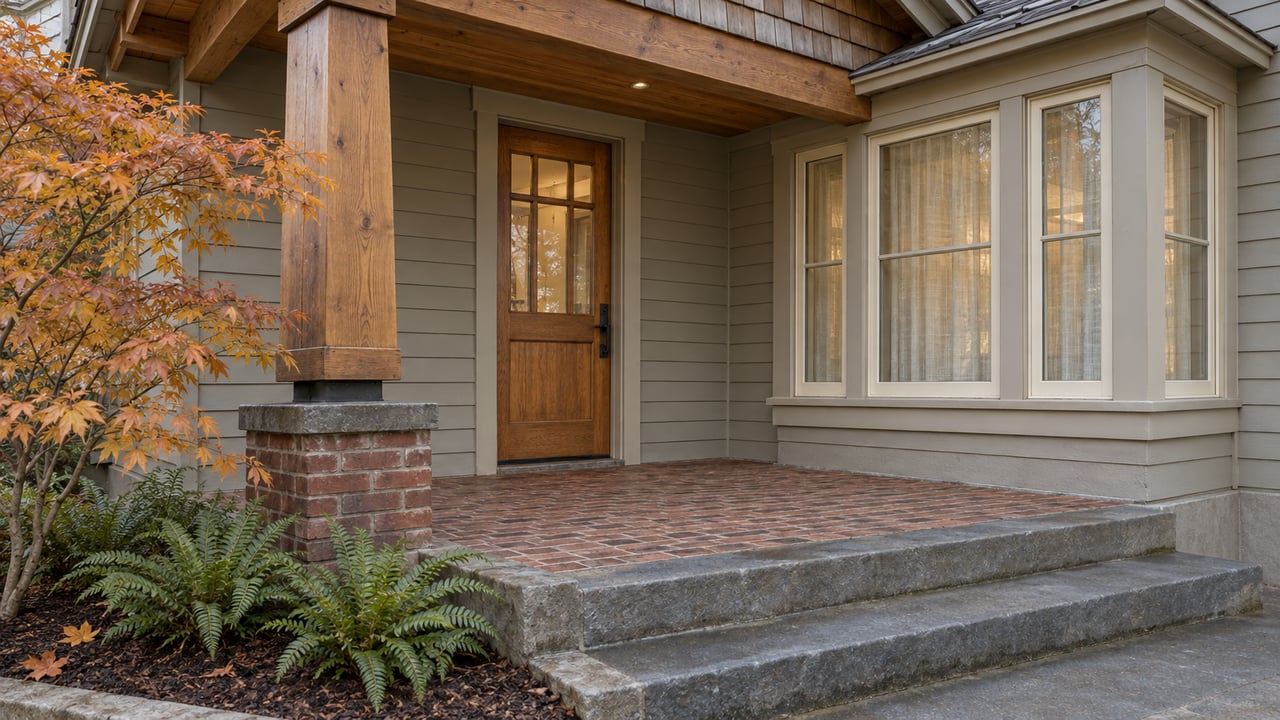
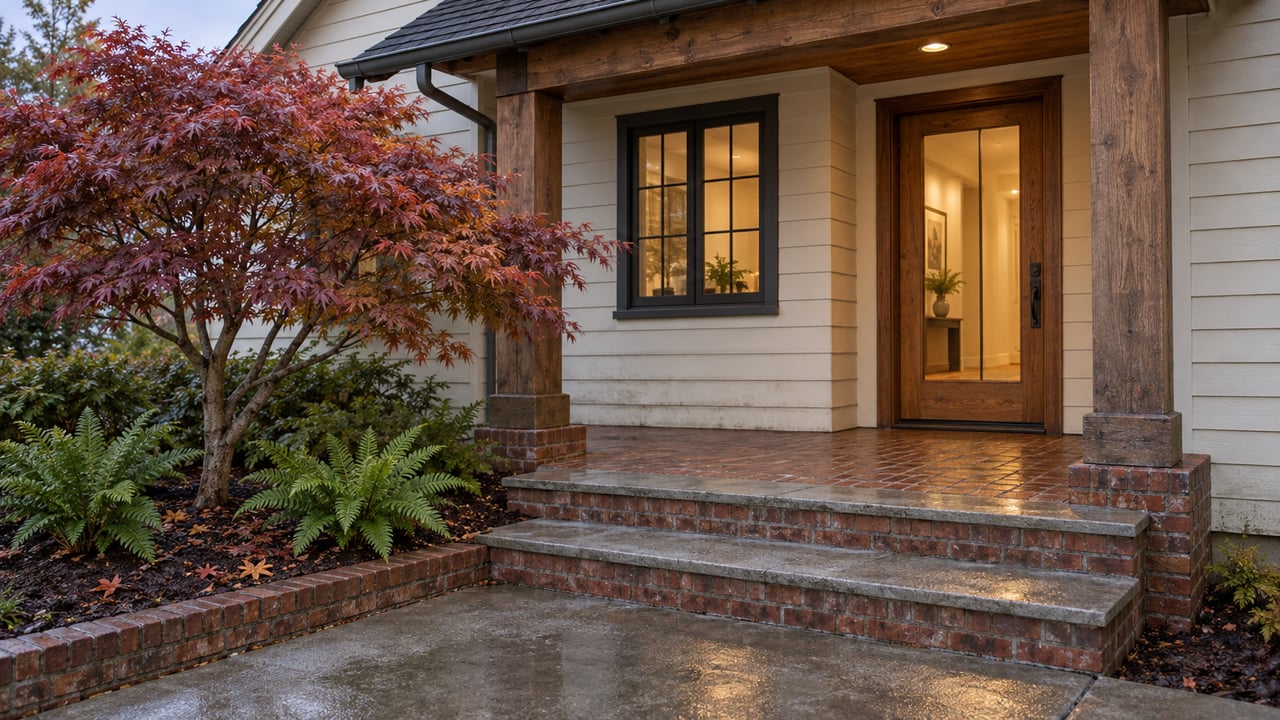
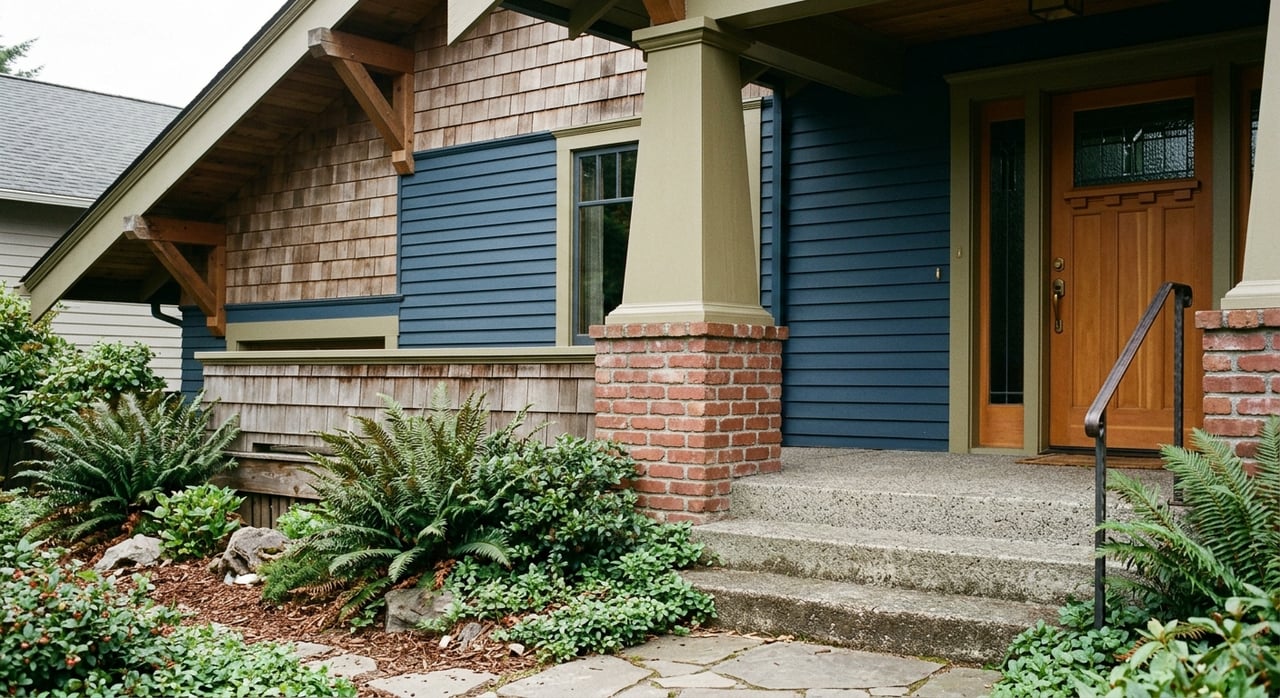
Common exterior traits include:
- low-slope or front-gabled roofs
- wide roof overhangs
- exposed rafter tails or knee braces
- decorative beams or bargeboards
- recessed, partial, or full-width porches
- square, tapered, or battered porch supports
- wood, shingle, or clapboard siding
- grouped windows with divided upper sashes
These details are a big part of the neighborhood’s visual appeal. Even when a home is relatively modest in size, the roofline, porch design, and trim can give it a lot of presence from the street.
Interior Traits That Add Appeal
Inside, classic bungalow and Craftsman-style homes often feel thoughtful rather than oversized. Seattle landmark documentation shows that many have an open relationship between the living and dining rooms instead of a strict, formal room-by-room layout.
You may also find features like built-in bookcases, built-in buffets, window seats, breakfast nooks, and substantial wood trim. These details help explain why buyers often describe these homes as warm, efficient, and full of personality.
That said, interior layouts can vary a lot. Some homes remain close to their original plan, while others have been reworked to create more modern kitchens, expanded primary suites, or finished basement spaces.
Why Buyers Are Drawn to These Homes
For many buyers, the appeal is not just the house itself. It is the combination of architecture, topography, mature trees, and a neighborhood pattern that still feels human-scaled.
City design guidance for the area emphasizes compatible massing, facade articulation, and an environment that is easy to reach by foot, bike, and transit. As you move through the neighborhood, that often shows up in the rhythm of porches, closely spaced historic homes, and a commercial core that feels integrated into daily life.
Community assets also reinforce that sense of place. City planning materials highlight places like the Phinney Neighborhood Center, Greenwood Branch Library, Woodland Park Zoo, the Phinney Neighborhood Association, and the Phinney Farmers Market.
For buyers, that can mean you are not just buying an older house. You are buying into a neighborhood with a long-established identity and everyday convenience.
What to Look At Before You Buy
Character is only part of the story. Because so much of the area’s housing stock is older, your due diligence matters.
King County Assessor materials note brisk remodel activity since the late 1980s. That means many Phinney Ridge homes have already been altered, expanded, or improved, but the quality and sensitivity of those updates can vary from one property to the next.
How Much Original Character Is Still There?
Seattle historical records treat roof shape, porch design, windows, siding, and trim as key features that define these homes. If original elements are still present, that often strengthens the home’s architectural feel.
When touring a house, pay attention to whether the exterior still reads as cohesive. A home with replacement materials or modified porches may still function well, but it may feel different from one that has retained more of its original design language.
Is the Layout Right for Modern Living?
One common buyer concern is whether a character home will feel too closed off. In many Seattle bungalow examples, the answer is more balanced than you might expect.
Historic documentation shows that these homes often have an open living and dining relationship, with compact service spaces and flexibility in a basement or half-story. In practice, that can make the main level feel more connected than the exterior suggests.
Some local examples also have full basements, basement garages, or later additions. That means a home that looks modest from the street may offer more usable square footage than you first assume.
Were the Updates Done Thoughtfully?
This is one of the most important questions to ask. Seattle records show that additions, porch changes, window replacements, and basement modifications are common in this housing stock.
A thoughtful update can improve everyday function while respecting the home’s original character. A less careful remodel can leave you with awkward transitions, mismatched materials, or unfinished work that may need more attention later.
Reviewing permit history for additions or basement work is a smart step. It can help you understand how the house evolved and whether major changes were properly documented.
Older Seattle Home Maintenance Matters
Buying a Phinney Ridge Craftsman often means buying a home built well before modern materials and building standards. That does not make it a bad investment, but it does mean you should go in with clear eyes.
For many buyers, the goal is not to avoid old homes. It is to understand where charm and upkeep meet.
Lead Paint and Older Materials
Because many homes in this area were built before 1940, lead paint is an important issue to consider. The EPA reports that 87% of homes built before 1940 contain some lead-based paint, and it advises using lead-safe certified contractors for renovation work in pre-1978 housing.
Older materials may also raise asbestos-related questions. EPA guidance notes that concerns can involve flooring and mastic, roofing materials, vermiculite, plaster and wall systems, and window caulk or glazing compound.
If you are planning renovations, ask how earlier remodels handled these materials. That is especially important in homes where paint, flooring, windows, or roofing have been replaced over time.
Moisture and Weatherization
Moisture control is another major topic in Seattle. U.S. Department of Energy guidance explains that moisture control works best alongside air sealing, insulation, and ventilation, and that air movement is a major pathway for moisture transfer into building cavities.
For a buyer, that means it is worth paying close attention to the systems behind the charm. A beautiful porch or original window trim is great, but comfort and durability often depend on less visible upgrades.
Seattle’s HomeWise Weatherization Program lists improvements such as insulation, duct and air sealing, bathroom and kitchen fans, furnace repair or replacement, and home energy testing among common measures for eligible homes. While not every home will have these updates, they are useful examples of the kinds of improvements that can support comfort and efficiency.
Practical Inspection Priorities
If you are serious about a Phinney Ridge home, keep your inspection lens focused on both character and condition. A few practical priorities include:
- checking whether original windows, porches, siding, or trim still define the home’s look
- asking how pre-1978 materials were handled during past remodels
- evaluating insulation, air sealing, ventilation, and overall moisture management
- reviewing roof drainage, gutters, basement or crawlspace dampness, windows, porches, and foundations
- reviewing permit history for additions, basement work, or major reconfiguration
These steps can help you separate cosmetic appeal from long-term livability. They can also give you a better sense of what future maintenance or renovation costs may look like.
Why Local Guidance Helps in Phinney Ridge
In a neighborhood like Phinney Ridge, small details can change how a home lives and how it compares to another property just a few blocks away. Original features, later remodels, below-grade space, view orientation, and hillside siting can all shape value and fit.
That is why local context matters so much when you are buying a character home. You want to understand not just whether a house is attractive, but how its condition, updates, and setting align with your goals.
If you are considering a Phinney Ridge Craftsman or another Seattle character home, working with a team that understands neighborhood nuance can make the process feel much clearer. The Shutes Team brings a hands-on, relationship-first approach to buyer guidance across Seattle, with practical insight into the details that matter in older homes.
FAQs
What makes a Phinney Ridge home feel like a Craftsman?
- In Phinney Ridge, buyers often notice low-slope or front-gabled roofs, wide overhangs, porches, wood siding, grouped windows, and interior built-ins that reflect bungalow and Craftsman-era design.
Are all older Phinney Ridge homes true Craftsman houses?
- No. Seattle historic materials show that bungalow was the most common early style, but Box Houses, Tudors, and Colonials also appear throughout the neighborhood.
Do Phinney Ridge Craftsman homes usually have modern layouts?
- Many have a fairly open living and dining relationship, but layouts vary. Some also include basements, half-stories, or later additions that add flexible living space.
What should buyers inspect in an older Phinney Ridge home?
- Focus on original exterior details, moisture management, insulation and ventilation, signs of basement or crawlspace dampness, roof drainage, and the quality and documentation of past remodel work.
Why is permit history important for Phinney Ridge character homes?
- Permit history can help you understand whether additions, basement work, porch changes, or other major alterations were documented and how the home changed over time.