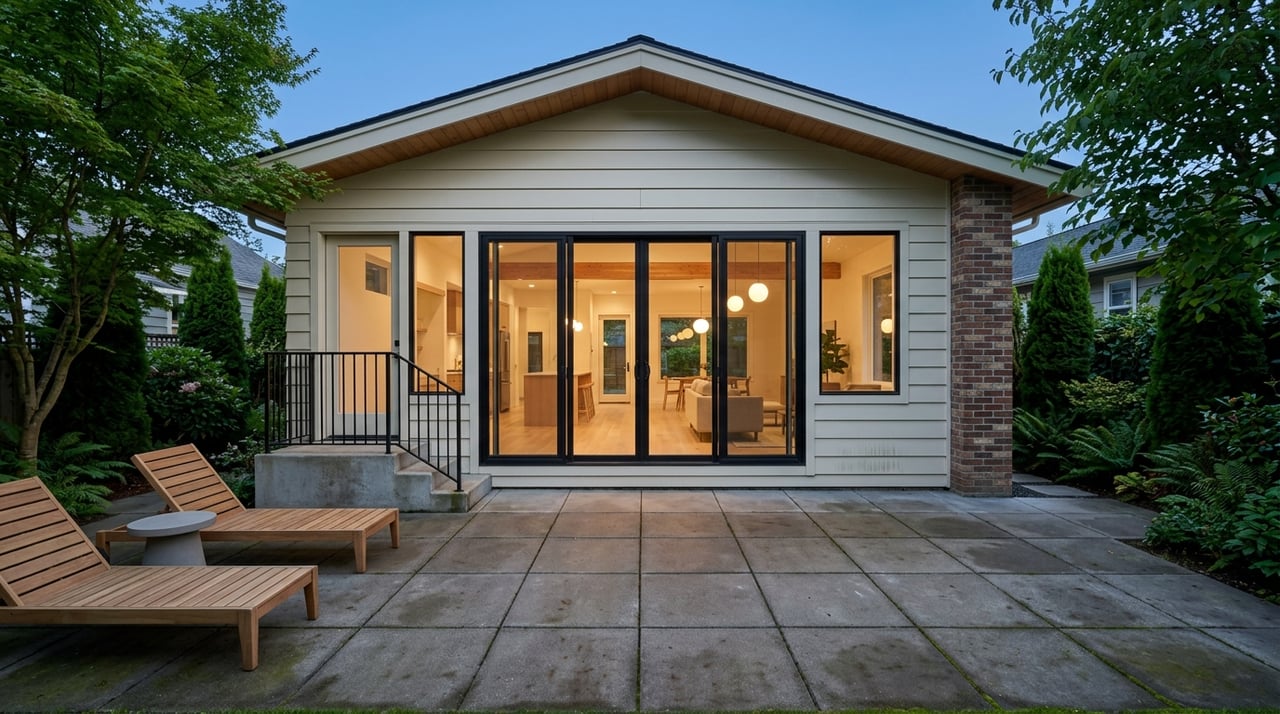
If you want daily access to trails, shoreline, and one of Seattle’s most iconic green spaces, Seward Park is hard to ignore. For many buyers, this neighborhood is not just about finding a home near a park. It is about choosing a lifestyle shaped by Lake Washington, walking loops, and a quieter residential setting with strong city connections. In this guide, you’ll learn what living near Seward Park actually feels like, what kinds of homes you can expect, and what to watch for as you compare listings. Let’s dive in.
Why Seward Park stands out
Seward Park centers around a 300-acre city park on Lake Washington, and that scale shapes the neighborhood in a real way. According to Seattle Parks, the park includes a 2.4-mile bike and walking path, hiking trails, beaches, shoreline access, fishing piers, tennis courts, a swimming beach, and boat-launch options.
That means living here often comes with an outdoor routine built into your week. You may find yourself heading out for a morning walk, a shoreline run, or an evening loop without needing to plan a full outing across town.
The park also includes a 120-acre old-growth section, which a Seattle Parks blog describes as Seattle’s largest stand of old growth. For buyers who value natural surroundings, that kind of access is a meaningful part of what sets Seward Park apart from many other Seattle neighborhoods.
What daily life feels like
Seward Park tends to appeal to buyers who want nature close at hand without feeling cut off from the rest of Seattle. It is not a dense urban core, but it is also not isolated. The overall lifestyle often feels more residential, scenic, and routine-friendly than fast-paced.
Current Walk Score data rates Seward Park at 56 for walkability, 44 for transit, and 59 for biking. In practical terms, some errands can be done on foot, and biking or transit may work for certain trips, but many households will still rely on a car for at least part of daily life.
There is also a useful convenience layer nearby. The King County Assessor notes that small-scale retail shops and restaurants cluster along Wilson Avenue South, with nearby commercial nodes helping support day-to-day errands. That can be a good fit if you want outdoor access at home while still having basic services within reach.
Summer traffic and Bicycle Weekends
One detail buyers should know early is how the area changes during warmer months. On scheduled summer weekends, part of Lake Washington Boulevard closes to motorized vehicles between Mount Baker Beach and the Seward Park entrance as part of Seattle Parks Bicycle Weekends.
For many residents, that is a major lifestyle benefit. It creates a more walk-, bike-, and roll-friendly corridor that supports recreation and family outings.
At the same time, it can affect traffic flow and parking patterns at certain times of year. If you are considering a home near the boulevard or rely on driving routes through the area, it is smart to factor that seasonal rhythm into your decision.
Seward Park homes: what to expect
One of the most important things to understand about Seward Park is that the housing stock is not uniform. Based on the King County Assessor Area 81 report, the broader area includes mostly single-family parcels, along with duplexes, triplexes, townhomes, and apartments near commercial areas.
The same report notes that many homes near Seward Park were built from the early 1900s through the mid-1960s. You will likely see a mix of older detached homes, remodeled properties, and newer infill development rather than a neighborhood filled with one era or one home style.
That variety can be a plus if you like choice. It also means you need to read listings carefully, because two homes in the same general area may offer very different lot conditions, layouts, and long-term upkeep expectations.
Older homes and remodel potential
Many Seward Park buyers are drawn to homes with architectural character, mature lots, and established streetscapes. In neighborhoods with older housing stock, listings may include updates of very different quality and age.
That makes it important to look past surface finishes. A home may have charm and good bones, but your buying decision should also account for how extensively it has been updated over time.
Newer construction and infill townhomes
The assessor report also notes about 144 townhomes under single-family zoning in the broader area, with some additional townhomes under construction. It specifically says newer townhomes are often created through redevelopment of older house sites.
So if you see "new construction" in Seward Park, that often means a replacement home or infill project, not a large master-planned development. For buyers, that usually translates to more variety in siting, design, and lot configuration.
What drives home values here
In Seward Park, location details matter a lot. The King County Assessor identifies views, waterfront access, lot size, topography, traffic noise, and zoning as major value drivers in this area.
That means price differences are not just about square footage or finishes. A home with a Lake Washington view, waterfront position, or proximity to Lake Washington Boulevard may sit in a very different price tier than an interior lot with fewer view or access advantages.
The assessor also notes that about 6% of parcels in Area 81 are waterfront. Waterfront and view properties are limited by nature, which helps explain why those homes often command a premium.
Why topography matters
Topography is especially important in this part of Seattle. The assessor report notes that hillside parcels can be affected by steep conditions, which can influence everything from access and parking to lot usability.
As you evaluate listings, pay close attention to how the home sits on the site. A beautiful setting can come with tradeoffs, and understanding those tradeoffs early can help you compare options more clearly.
Commuting from Seward Park
Seward Park can work well for buyers who want a residential setting but still need access to the wider city. Transit connections are not as direct or abundant as in Seattle's most transit-heavy districts, yet they are still meaningful.
Sound Transit’s Columbia City Station page shows that Route 50 serves the station and that the station offers bike lockers and bike racks, though it has no parking. Combined with the current Metro system map, that supports a commute pattern where you may drive, bike, walk, or bus to Link depending on your exact location and schedule.
For many buyers, that flexibility is enough. You get a neighborhood that feels centered on park and lake access while still connecting to the broader Seattle transit network.
How Seward Park compares to Seattle overall
Seward Park occupies an upper-tier position within Seattle’s housing market. Redfin’s Seward Park market page reported a February 2026 median sale price of $1,165,000, with 57 median days on market and a 101.3% sale-to-list ratio.
For broader context, Redfin’s Seattle market page reported a $850,000 median sale price citywide in February 2026, with homes selling in about 21 days on average. That places Seward Park above the city median on price, while also showing a market tempo that can differ from Seattle overall.
A separate neighborhood summary from Realtor.com cited in the research also pointed to limited inventory and high pricing. Even when exact figures vary by source and time period, the broader takeaway is consistent: Seward Park is a high-value neighborhood where inventory can be tight.
Who tends to be drawn to Seward Park
Seattle’s Seward Park neighborhood snapshot, based on 2021 ACS data and published in 2023, shows a median household income of $130,085 compared with $105,391 citywide. It also shows renter households at 28.1% versus 54.8% citywide, and residents age 65+ at 20.7% versus 12.3% citywide.
Those numbers help explain the feel many buyers notice on the ground. Seward Park tends to read as a more established, more owner-occupied neighborhood than Seattle overall.
That does not define whether it is right for you, but it does offer useful context. If you are looking for a neighborhood with a strong residential feel and lasting appeal tied to natural assets, Seward Park may line up well with your goals.
Smart tips for reading Seward Park listings
Because this neighborhood has so much variation, it helps to compare homes with a neighborhood-specific lens. A few details can carry more weight here than they might elsewhere.
Keep an eye on these factors when you review listings:
- View orientation and whether the view is wide, partial, or seasonal
- Waterfront or water-access positioning, which can place a home in a different value tier
- Topography and lot usability, especially on sloped parcels
- Proximity to Lake Washington Boulevard, where traffic and recreation patterns can differ by season
- Age of construction and scope of updates, particularly in older homes
- Townhome versus detached-home context, since newer construction often appears as infill redevelopment
A good neighborhood guide can help, but there is no substitute for understanding how each home fits its exact site. In Seward Park, micro-location matters.
Is Seward Park right for you?
If your ideal Seattle home includes quick access to trails, shoreline, and a more residential pace of life, Seward Park deserves a close look. Its appeal is not based on one feature alone. It comes from the combination of park access, Lake Washington setting, varied housing stock, and a market position that reflects long-term demand.
For the right buyer, living here can feel like having one of Seattle’s signature outdoor spaces woven into everyday life. If you want help evaluating Seward Park homes, comparing lot-by-lot value differences, or understanding how this micro-market fits your goals, connect with The Shutes Team.
FAQs
What is it like living near Seward Park in Seattle?
- Living near Seward Park often means easy access to walking loops, hiking trails, shoreline recreation, beaches, and Lake Washington views, with a more residential feel than Seattle’s denser urban neighborhoods.
What kinds of homes are common near Seward Park?
- Buyers will usually find a mix of older single-family homes, remodeled properties, newer replacement homes, and some infill townhomes rather than one consistent housing style.
How walkable is the Seward Park neighborhood?
- Walk Score rates Seward Park at 56/100 for walkability, which suggests some errands can be done on foot, though many households still use a car for part of daily life.
How does transit work for Seward Park homebuyers?
- Transit access often connects through King County Metro and Link, with Route 50 serving Columbia City Station, giving buyers a workable option for reaching other parts of Seattle.
Why are Seward Park home prices often higher than Seattle overall?
- Seward Park’s pricing is shaped by limited inventory, strong demand, park access, Lake Washington proximity, and value drivers like views, waterfront location, lot size, and topography.