How can two Madison Park homes with similar square footage sell for wildly different prices? If one has legal moorage and an unobstructed Lake Washington panorama while the other has a tired bulkhead and partial views, the gap can be huge. If you are aiming for the right price, you need more than averages. You need a clear read on the waterfront, view, permits, and presentation that shape value.
This guide walks you through what truly drives pricing for Madison Park view and waterfront homes, how to select comps, the permits that matter, and the staging and marketing that lift perceived value. Let’s dive in.
What drives value here
In Madison Park, value rests on a few pillars that work together: direct water access and moorage, view quality and permanence, structural and shoreline condition, legal rights and encumbrances, and presentation. Buyers in this segment pay premiums for certainty, meaning documented permits, engineering reports, and clear title. When these pieces are strong, you can command top-tier pricing.
Waterfront access and moorage
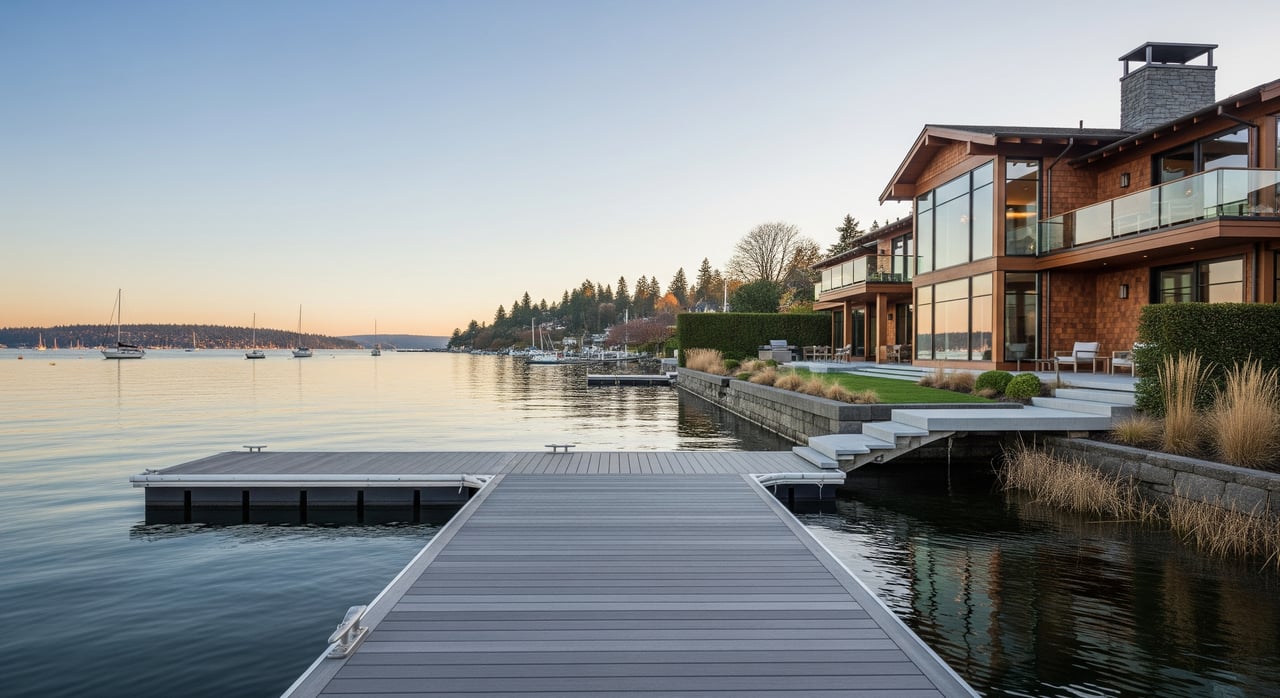
Direct waterfront with private shoreline is the gold standard when safe, legal access exists. Near-water homes across the street or on elevated lots can still be valuable, but the private shoreline premium is unique.
- Shoreline type: A natural slope, riprap, or bulkhead each carries different maintenance and permitting needs. Condition and permit history directly affect price.
- Docks and moorage: The presence, size, condition, and permit or lease status of a dock or pier add meaningful utility. Buyers place a premium on functional, compliant moorage.
- Safety and access: Sound stairs and pathways to the water, along with well-kept rails and decking, reinforce confidence and reduce buyer discounting.
View quality and permanence
A great view is about more than what you see today. You also want to know how likely that view is to last.
- Corridor and angle: Panoramic lake, skyline, and mountain views drive higher pricing than partial or framed views. Orientation influences light and privacy.
- Permanence: Review neighboring lot sizes, zoning envelopes, and potential future development. Tree growth and build-out potential can change sightlines.
- Elevation: Homes elevated above the lake often retain longer-lasting views and enjoy added privacy.
Condition, site, and legal rights
Waterfront settings add unique structural and legal considerations that influence both price and time on market.
- House systems and structure: Roof, HVAC, plumbing, electrical, and foundation matter in any home, but lakefront soils and saturation make foundation stability and drainage especially important.
- Shoreline infrastructure: Bulkheads, seawalls, and retaining walls can be costly to repair. Deterioration or unpermitted work often leads to price negotiation.
- Legal and title factors: Riparian rights, access easements, and any aquatic land leases affect long-term use. Clean, documented rights support stronger pricing.
Permits and regulations to confirm
Waterfront work is regulated by multiple agencies. Permit status and documentation are critical for valuation and resale.
- City of Seattle Shoreline Master Program oversight for development within shoreline jurisdiction.
- Seattle Department of Construction & Inspections for building, grading, and critical areas reviews.
- Washington State Department of Ecology for shoreline policy implementation and approvals.
- Washington Department of Natural Resources for aquatic land leases when docks extend over state-managed beds.
- U.S. Army Corps of Engineers when structures may affect navigable waters or wetlands.
- FEMA flood maps to understand flood insurance requirements and risk.
- Geotechnical reports for slope stability and foundation or seawall recommendations.
- Title review for recorded easements, riparian rights, and any prior violations.
If you are selling, assemble a full permit and reports package in advance. If you are buying, make these items part of your contingencies to reduce risk.
How to select the right comps
Waterfront comps in Madison Park are limited, so you often need a layered approach.
- Primary comps: Focus on Madison Park sales with similar shoreline frontage, lot size, orientation, dock or moorage, bulkhead type, and home condition within the past 6 to 18 months.
- Secondary comps: Use near-water view homes with similar view corridors to separate the view-only premium from direct water access.
- Adjacent markets: When local samples are thin, add nearby Lake Washington neighborhoods with similar attributes, then adjust carefully.
Adjustments typically address:
- Waterfront vs. near-water access and private moorage
- Shoreline infrastructure condition and permit certainty
- View quality, from panoramic to partial
- Condition and level of recent renovation
- Legal clarity, including DNR lease transferability and clean title
Appraisers rely primarily on the sales comparison approach, with the cost approach used where replacement of docks or bulkheads is a major factor. Documentation and expert reports help support adjustments when data points are scarce.
Pricing strategy and timing
Luxury waterfront homes can take longer to market and are sensitive to presentation and certainty. Seasonality matters. Spring and summer tend to bring more waterfront-focused buyers, which can support stronger activity when your listing is ready.
- Price with a narrative: Pair your asking price with a clear story that includes permits, engineering reports, moorage status, and recent improvements.
- Anticipate diligence: Address known issues upfront with estimates or completed work. Buyers pay more when surprises are removed.
- Be strategic with launch: If flexibility allows, time your listing to maximize showing conditions and on-water appeal.
Presentation that commands a premium
Perception of the view and waterfront experience drives willingness to pay. Thoughtful preparation and high-end marketing elevate results.
- Staging for sightlines: Arrange furnishings to frame the water. Use neutral palettes, upgraded lighting, and simple window treatments that draw the eye outward.
- Landscape and shoreline care: Professionally prune view-blocking branches where allowed. Clean docks, refresh decking, and ensure safe, tidy access to the water.
- Professional visuals: Use a waterfront-experienced photographer, golden hour and twilight images, aerial drone footage, and HDR interiors that preserve window views.
- Digital assets: Offer 3D tours, floor plans, and a concise property packet with permits and engineering reports. A dedicated property site can help serious buyers review details quickly.
- Broker engagement: Consider broker opens and curated private showings. Twilight events can highlight evening views and ambiance.
Investing in staging, photography, and a pre-listing engineering report often shortens market time and improves the chance of achieving your target price in a thin luxury market.
Seller checklist
Prepare early so you can defend your price and reduce buyer discounting.
- Gather all permits, approvals, and aquatic leases for docks or piers
- Order inspections for dock, bulkhead or seawall, and general systems
- Consider geotechnical and structural engineering reviews for older shoreline structures
- Obtain a current title report and survey showing shoreline lines and easements
- Confirm sewer and utility connections, plus any public access easements
- Budget for staging, premium photography, drone, and video
- Create a property packet with permits, inspections, and recent repairs
Buyer checklist
Protect your position with targeted contingencies and specialists.
- Commission a title review and survey to confirm shoreline boundaries and riparian rights
- Obtain bulkhead and dock inspections, plus a geotechnical evaluation
- Verify permit history with local and state authorities
- Confirm DNR aquatic lease transferability and fees if applicable
- Review flood risk and insurance options
- Confirm water and sewer connections and any access restrictions
- Check neighboring zoning and likely building envelopes to gauge view permanence
- Add environmental review if there are signs of unpermitted shoreline work
Recommended specialists
Waterfront success depends on the right team of experts backing your decisions.
- Waterfront civil or structural engineer for docks and bulkheads
- Geotechnical engineer for slope stability and foundations
- Real estate attorney with riparian and DNR lease experience
- Title company familiar with waterfront easements
- Professional stager with experience in view properties
- Drone-certified photographer and videographer
Madison Park lifestyle context
Neighborhood context contributes to desirability. Proximity to Madison Park Beach, local parks, and the retail and restaurant core adds daily convenience. Block-level privacy and noise also influence perceived value. When pricing, consider how your property’s setting supports the waterfront lifestyle buyers expect.
Next step: price with confidence
If you are planning to sell, start with documentation, presentation, and a clear comp set. If you are buying, build in diligence that protects your investment and clarifies long-term use. In both cases, shoreline expertise, careful pricing, and polished marketing help you capture the true value of Madison Park waterfront and view homes.
Ready to talk strategy, pricing, and presentation for your property or shortlist? Connect with the family-led experts at The Shutes Team for a confidential consultation and plan tailored to Madison Park.
FAQs
What adds the biggest premium to Madison Park waterfront pricing?
- Direct shoreline with safe, legal access and functional, permitted moorage typically drives the largest premium, followed by unobstructed, lasting views.
How do permits and DNR leases affect value for docks and piers?
- Clear, transferable permits and aquatic leases reduce risk and support higher prices, while expired or unpermitted structures often trigger discounts or repair credits.
How should I choose comps for a Madison Park waterfront home?
- Start with recent Madison Park waterfront sales matching frontage, orientation, dock status, and condition, then add near-water view comps and nearby Lake Washington sales with careful adjustments.
When is the best time to list a waterfront property here?
- Spring and summer often attract more waterfront-focused buyers, so if timing allows, launching with full documentation and polished visuals in these seasons can help.
What inspections should a buyer order for a shoreline home?
- Prioritize dock and bulkhead inspections, a geotechnical review, and a full permit and title check, plus flood risk and insurance availability.
Which preparations offer the best ROI before listing?
- Professional staging, premium photography and drone video, and a pre-listing engineering report for docks or seawalls often shorten market time and strengthen offers.