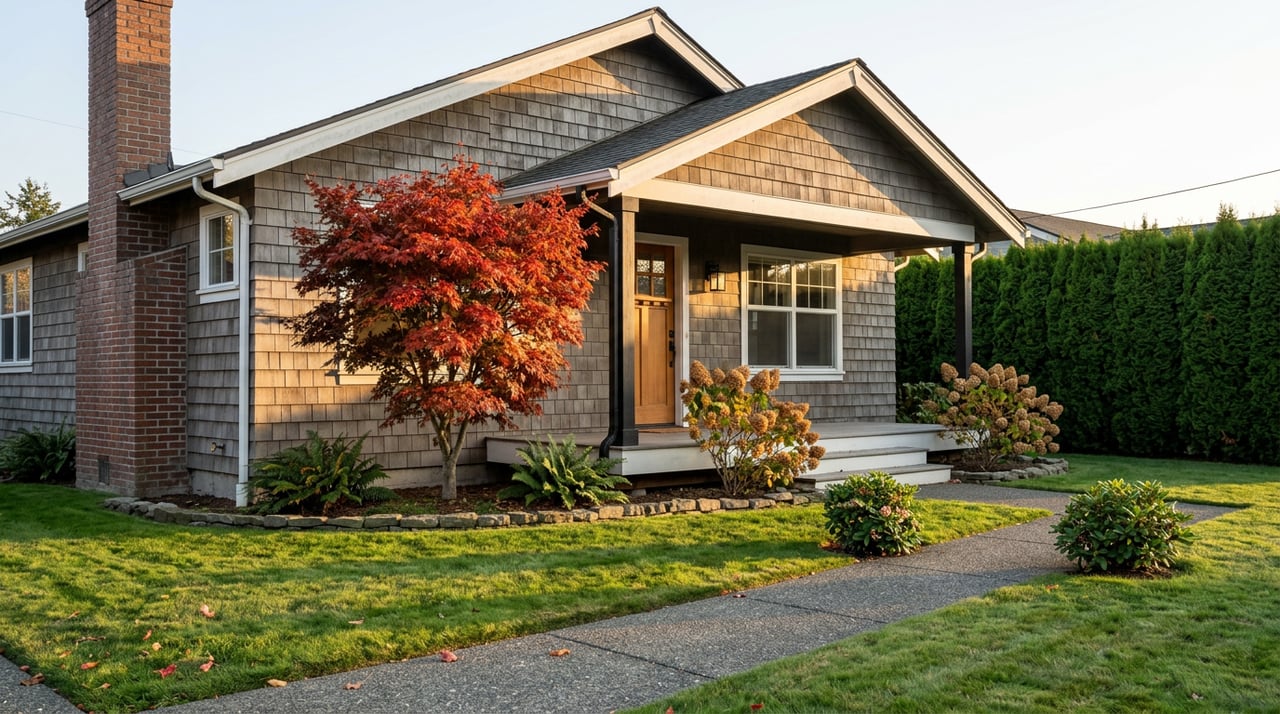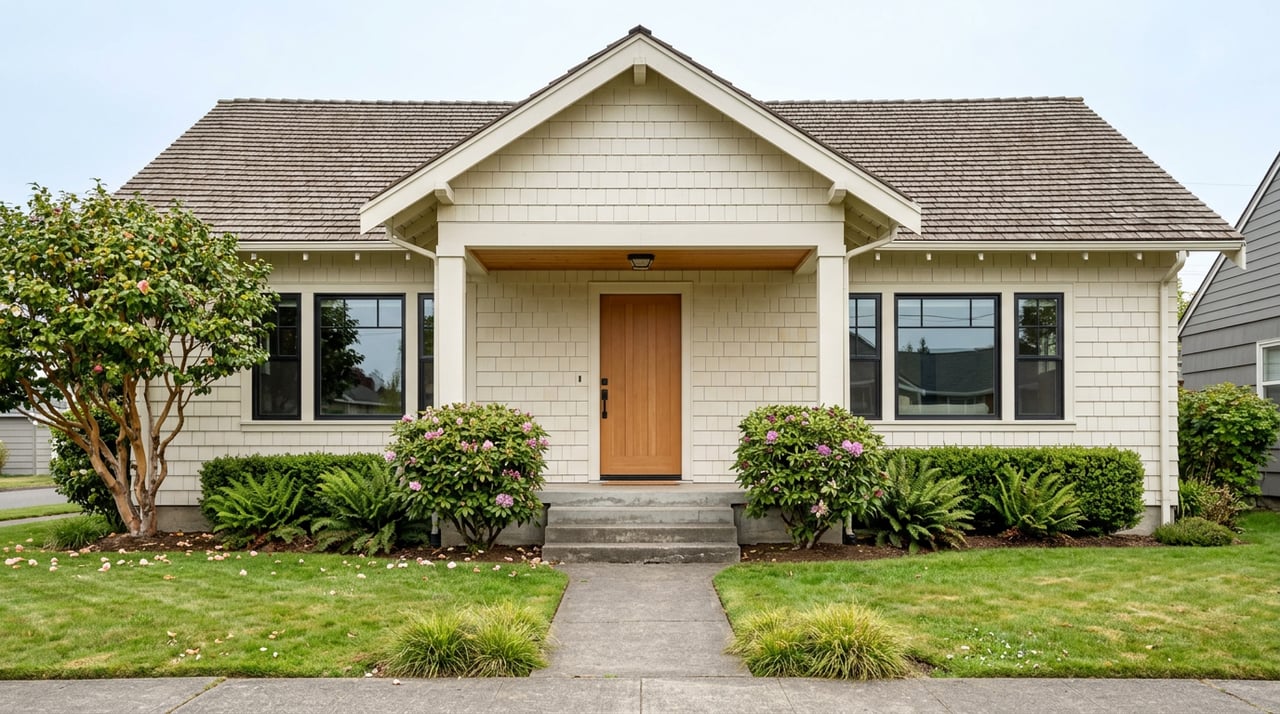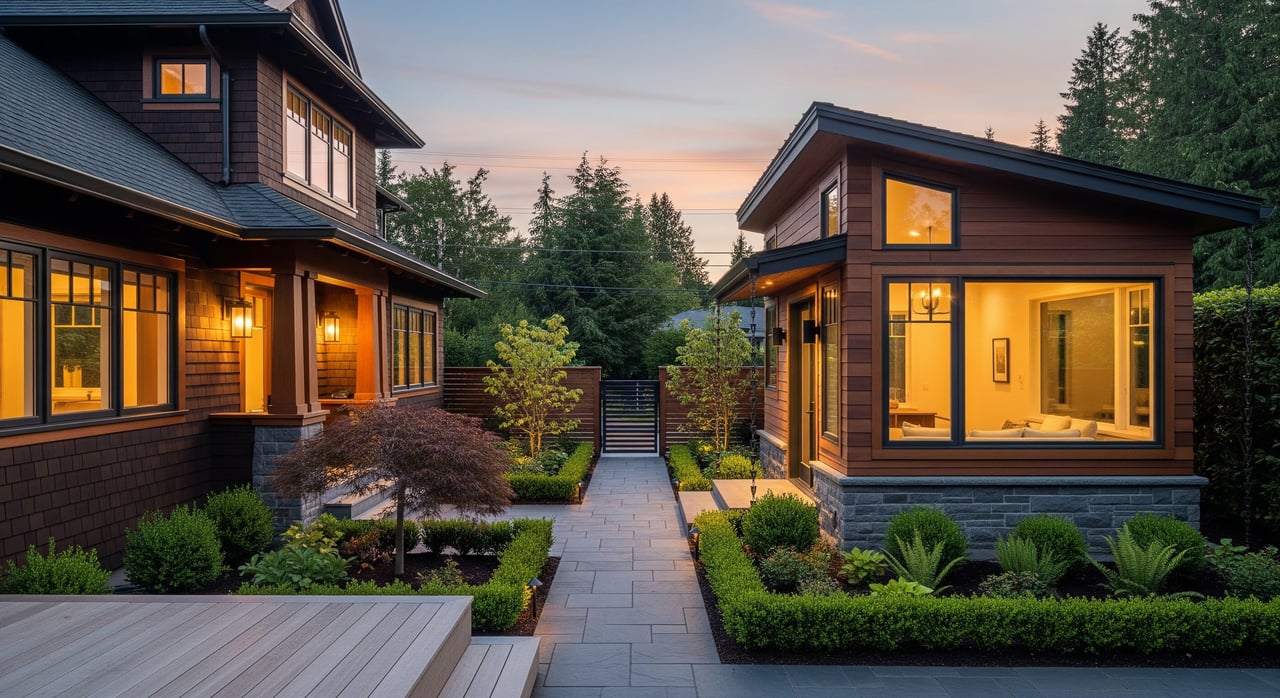
Thinking about a backyard cottage or finishing a basement apartment in Greenwood? You are not alone. Homeowners here are weighing ADUs and DADUs to create flexible space for family, add rental income, or boost resale value. In this guide, you will learn how Seattle’s rules apply in Greenwood, what to check on your specific lot, how parking and transit factor in, and a practical path from idea to keys. Let’s dive in.
ADU vs DADU basics
An accessory dwelling unit, or ADU, is a separate, self-contained home on the same lot as your primary residence. It can be internal or attached, such as a basement or upper-level suite with its own kitchen and entrance. A detached accessory dwelling unit, or DADU, is a standalone structure in the yard, often called a backyard cottage.
Both types can serve many needs. You might create a long-term rental, a place for guests, an office-with-privacy, or space for multigenerational living. In Greenwood, your lot size, access, and existing home layout typically determine whether an interior ADU, a DADU, or both make sense.
How Seattle and state rules interact
Two layers of law shape what you can build: Washington State statutes and the Seattle Municipal Code. State law set guardrails that expand opportunities for ADUs and limit certain local restrictions. Seattle implements those standards through its land use code and permit process.
For an overview of permitting and the steps to build either unit, start with the SDCI Common Projects guidance. For the legal framework and definitions, review Title 23 of the Seattle Municipal Code.
Here is what that means in practice:
- Unit count. Many Seattle lots can host one ADU and one DADU in addition to the main house, subject to zoning and code limits. Always confirm your property’s status with current SDCI guidance.
- Owner-occupancy and parking. State law reduced the ability of cities to require owner-occupancy or off-street parking in many circumstances. Seattle’s current requirements and any transit-related exemptions should be verified on SDCI’s pages during your planning.
- Permits. Both ADUs and DADUs require permits. DADUs often add site work like foundations, trenching, and potential utility coordination, which can extend timelines.
Seattle updates rules periodically, so verify any numeric limits such as setbacks, heights, and maximum unit sizes directly with SDCI or the municipal code before you budget or design.
Can your Greenwood lot host one or both?
Greenwood is an older north Seattle neighborhood with a mix of single-family streets, corner lots, and small multifamily buildings near commercial corridors like Greenwood Ave N. That mix creates real opportunity for ADUs and DADUs, but every site is different. Start with these checks:
- Zoning. Confirm your lot’s zoning and dimensional standards using the City’s resources on zoning and land use and the code in Title 23. Zoning determines where an ADU or DADU is allowed and which setbacks and heights apply.
- Lot size and shape. Narrow or irregular parcels are common in Greenwood. That can limit where a detached unit can sit and influence whether an interior conversion is the better move.
- Existing coverage. If the home and garage already use much of the allowed building envelope, adding a DADU may be tight without a careful design that fits setbacks and lot coverage.
- Access. Many Greenwood properties lack alleys. Curb cuts, driveway placement, and turning space matter for site layout. SDOT’s street use permits outline rules for driveways and work in the right of way.
- Utilities. Most homes here are on City sewer and water. Early coordination with Seattle Public Utilities’ developer services helps you understand whether the ADU or DADU will share lines or need new service and meters.
- Trees and potential critical areas. Mature trees add character but can restrict siting. If a steep slope or buffer is nearby, expect additional review.
Quick property checks you can do now
- Pull zoning and parcel dimensions, then note side and rear yard depths.
- Photograph your yard from each corner to start visualizing siting.
- Map likely utility connections based on the main house entry points.
- Identify whether you have alley access or space for a simple path to a DADU.
- Flag any large trees or roots in the buildable area.
If your yard is constrained, an internal ADU is often the easiest path to a compliant second unit. Homes with larger rear yards or corner lots are usually best suited for a DADU.
Design and code checkpoints to verify
Before sketching floor plans, align your concept with the code. Use SDCI’s guidance to confirm the rules that will shape your design.
- Allowed unit count and type. Confirm whether your lot can host an internal or attached ADU, a DADU, or both. Check the latest rules on SDCI’s Common Projects guidance and the applicable sections of Title 23.
- Size, height, and setbacks. DADUs must meet height caps and minimum side and rear setbacks that vary by zone and lot conditions. Interior ADUs must meet egress, ceiling height, and fire separation standards. Verify exact numbers before you commit to a layout.
- Lot coverage, floor area, and stormwater. Detached units add impervious surface. Your project may require small stormwater controls or landscape measures depending on scope.
- Utilities and services. Decide early whether you want separate meters for water, power, and gas. Separate meters can simplify billing if you plan to rent, but they require coordination with utility providers.
- Energy and life safety. Washington State Energy Code, smoke and CO detection, and egress rules apply. If your ADU is attached or shares a wall, pay attention to fire separation details.
Design choices that work well in Greenwood
- Scale and character. Keep rooflines, eaves, and exterior materials compatible with neighboring homes. This creates a calmer streetscape and typically eases design feedback.
- Privacy and light. Orient entries and windows to limit direct sightlines between units and to neighbors. Use clerestory windows and skylights to balance light and privacy.
- Flexible plans. Built-in storage, a combined living-dining area, and a defined workspace help small footprints live larger.
- Accessibility. If you are planning for multigenerational living, consider a zero-step entry, wider doors, and a shower with a curb-free threshold.
Parking, transit, and rental outlook in Greenwood
On-street parking can be competitive on certain blocks, especially close to shops and schools. State and city rules often limit the ability to require new off-street parking for ADUs, and many projects proceed without adding a formal stall. That said, a simple driveway or parking pad can improve marketability depending on your target renter and block conditions.
Greenwood’s walkability and bus connections to central Seattle support steady rental interest for well-designed ADUs. If you plan to rent, review Seattle’s registration and licensing steps:
- Long-term rentals. Most rental properties in Seattle require enrollment in the City’s Rental Registration and Inspection Ordinance.
- Short-term rentals. If you are considering a short-term approach, study the City’s short-term rental rules and tax requirements to make sure your plan aligns with your zoning and unit count.
For broader policy context and case studies, Seattle’s planning department maintains an overview of ADU policy and outcomes on the Office of Planning & Community Development ADU page.
Process, timeline, and budget
Every site is unique, but most Greenwood ADU journeys follow a familiar arc.
- Feasibility and concept. Expect a few weeks to confirm zoning, walk the site with a designer, and sketch options. A survey helps prevent setbacks or easement surprises on tight lots.
- Design and permitting. Preparing a complete permit set can take several weeks, followed by SDCI review that may include corrections. Projects touching stormwater, tree protection, or unusual lot conditions often take longer.
- Construction. Interior conversions usually finish faster than new detached builds. DADUs often require foundation work, trenching for utilities, and exterior weather windows, which can stretch schedules.
Budget ranges vary widely based on size, finishes, and site work. Interior conversions often cost less than detached cottages but may need upgrades for egress, ceiling height, or mechanical systems. Build a contingency into your budget for unforeseen conditions and plan utility upgrades if your panel or water service is near capacity.
Your next steps in Greenwood
- Verify the rules for your property
- Check your zoning and read the applicable sections of Title 23.
- Review SDCI’s Common Projects guidance for ADU and DADU permits.
- Pull your lot dimensions and sketch likely building envelopes and setbacks.
- Confirm utilities and site constraints
- Contact Seattle Public Utilities’ developer services about water and sewer capacity and meter options.
- Walk the site to locate trees, slopes, and likely utility routes.
- If driveway changes are part of your plan, read SDOT’s street use permits for curb cuts and work in the right of way.
- Align your design with your goals
- Decide on your primary goal: rental, family use, or resale flexibility. This guides plan choices, finish level, and metering.
- Ask a local ADU-savvy architect for at least two massing options so you can compare an interior ADU against a DADU.
- Get at least two contractor ballpark bids to size the budget and timeline.
- Plan the permit path and build
- Submit a complete application to reduce review delays and be ready for corrections.
- Schedule work with Seattle’s seasons in mind. Exterior phases move faster outside of the rainiest months.
- Communicate with neighbors about timing and site access to reduce friction.
When you are evaluating how an ADU or DADU might affect your property value, resale strategy, or rental roadmap in Greenwood, it helps to talk it through with someone who knows the micro-market. If you want a clear read on what will resonate with buyers here, referrals to trusted designers and contractors, or a pricing consult once your plan firms up, reach out to The Shutes Team. We are happy to share neighborhood insight and help you map the next step.
FAQs
What is the difference between an ADU and a DADU in Seattle?
- An ADU is an internal or attached unit within or connected to your main house, while a DADU is a separate, detached cottage on the same lot.
Can I have both an ADU and a DADU on my Greenwood lot?
- Many lots can host one ADU and one DADU in addition to the main home, but you should confirm your specific zoning and limits with SDCI and the Seattle Municipal Code.
Do I need to provide off-street parking for an ADU in Greenwood?
- State and local rules often limit the ability to require new off-street parking for ADUs, especially near transit, so verify your property’s requirements on SDCI’s Common Projects guidance.
Do Seattle’s ADU rules require owner-occupancy?
- State law reduced owner-occupancy requirements in many situations, but you should confirm Seattle’s current policy on SDCI’s pages before you design or permit.
How long does it take to permit and build a DADU in Greenwood?
- Expect several weeks for design and submittal, variable SDCI review time, and a construction window that often runs several months depending on size and site complexity.
Will I need separate utility meters for a DADU in Seattle?
- Separate meters are optional in many cases and depend on your goals; coordinate early with Seattle Public Utilities’ developer services for feasibility and costs.
Do I have to register my ADU as a rental in Seattle?
- Long-term rentals typically require registration under the City’s Rental Registration and Inspection Ordinance, and short-term rentals are regulated under the City’s short-term rental rules.