If you are looking for a Seattle neighborhood that feels a little tucked away while still offering everyday convenience, Magnolia tends to stand out fast. Life here is shaped by bluff-top views, a compact village center, and an unusual amount of parkland for an in-city neighborhood. If you want a clearer picture of what daily life in Magnolia actually feels like, this guide will walk you through the rhythm of the area and what makes it distinct. Let’s dive in.
Why Magnolia Feels Different
Magnolia is a primarily residential peninsula northwest of downtown Seattle, and its geography plays a big role in how the neighborhood feels. Seattle and King County sources describe it as topographically distinct, with Puget Sound to the west, Elliott Bay to the south, the Ship Canal and Ballard to the north, and Queen Anne Hill to the east.
That setting creates a strong sense of place. King County notes that Magnolia has a suburban, small-community feel because of its limited access, larger lots and zoning pattern, and the presence of Magnolia Village as a neighborhood center.
Access is part of the story too. King County describes Magnolia as having three access points, while Seattle’s Magnolia Bridge Planning Study references four bridges connected to neighborhood access and emergency planning. Either way, the takeaway is the same: Magnolia is connected to the rest of Seattle, but it often feels a bit more self-contained than many other city neighborhoods.
Magnolia Village and Daily Errands
For many residents, Magnolia Village is the practical heart of everyday life. The village developed around West McGraw Street and 34th Avenue West, and it remains the neighborhood’s main cluster of local shops, restaurants, and grocery stores.
That central village layout makes daily errands feel more streamlined. Instead of spreading commercial activity across a wide area, Magnolia keeps much of its day-to-day activity focused in one core district.
This setup also supports the neighborhood’s small-community feel. When people talk about Magnolia having its own identity within Seattle, the village is a big reason why.
Community Center Activity
Magnolia Community Center sits at the west edge of Magnolia Village on Magnolia Playfield. It has been part of neighborhood life since 1952 and was renovated in 2025.
The center offers programming that supports a wide range of ages and routines, including preschool, school-age care, pickleball, and tot gym. It also hosts recurring events such as the Spring Egg Hunt, Magnolia Summer Fest, a toddler Halloween carnival, and a Gingerbread House Decorating Party.
For buyers trying to picture everyday life, this matters. A neighborhood is not only about houses and streetscapes. It is also about where you spend your weekends, where activities happen, and how easy it is to plug into the local rhythm.
Summer Recreation Close to the Village
Mounger Pool shares a block with the community center and Magnolia Playfield. It is a summer-only facility, which adds another seasonal layer to neighborhood life.
That kind of nearby recreation can make routines feel simpler. In Magnolia, village errands, playfield time, and summer activities can all overlap in one part of the neighborhood.
Parks Shape Daily Life Here
One of Magnolia’s biggest lifestyle advantages is how much green space is woven into daily life. This is not a neighborhood where parks feel like an afterthought. They are central to how many people experience the area.
Seattle Parks highlights several major outdoor assets in Magnolia, from large destination parks to neighborhood green spaces. For residents, that means walks, views, shoreline access, and open space are part of the everyday backdrop.
Discovery Park
Discovery Park is Seattle’s largest park at 560 acres and occupies much of the former Fort Lawton site on Magnolia Bluff. According to Seattle Parks, it includes two miles of protected tidal beaches and views of the Cascade and Olympic ranges.
For everyday living, Discovery Park offers something that is hard to replicate elsewhere in the city. It gives you access to a large natural landscape without leaving Seattle, which can shape everything from morning walks to weekend plans.
For buyers, this often becomes a defining part of Magnolia’s appeal. Living near a park of this scale changes how close nature feels in your regular routine.
Bluff Walks and View Corridors
Magnolia Boulevard is a long strip of green space known for its Puget Sound views. Magnolia Park also offers picnic sites, tennis courts, a play area, and views, while Magnolia Greenbelt adds more natural open space along the neighborhood edge.
These spaces help explain why Magnolia is often described as view-oriented. The neighborhood is not only about what you see from a home. It is also about what you see while walking, driving, or spending time outdoors.
That creates a lifestyle that feels very tied to topography and water. In Magnolia, views are part of the public landscape as well as the private one.
Playfields, Paths, and Off-Leash Space
Magnolia Manor Park includes an off-leash area, a walking path, and Magnolia’s first P-Patch. Magnolia Playfield adds fields, play areas, and tennis courts next to the community center and school complex.
These are the kinds of amenities that support everyday routines in simple, practical ways. You are not planning a major outing every time you want outdoor time. In many cases, neighborhood recreation is already built into the places people use most often.
Waterfront Access and Shoreline Time
Magnolia’s shoreline setting is one of its signature features. Seattle Parks notes that Magnolia Tidelands Park covers the tidelands below Magnolia Bluff, giving the neighborhood a shoreline-oriented recreational asset that reinforces its connection to Puget Sound.
There is also the 32nd Ave W Boat Launch, a hand-carry beach launch at the southern street end of 32nd Avenue West. It offers Puget Sound shoreline views and adds another way residents can interact with the water.
For some buyers, these details are what turn Magnolia from interesting to compelling. The combination of bluff-top outlooks and direct shoreline access creates a daily environment that feels distinctly Pacific Northwest.
What Homes in Magnolia Tend to Look Like
Magnolia is mostly residential, and King County describes the neighborhood as having primarily residential-zoned parcels with limited retail or commercial use. That helps preserve the area’s calm, residential character.
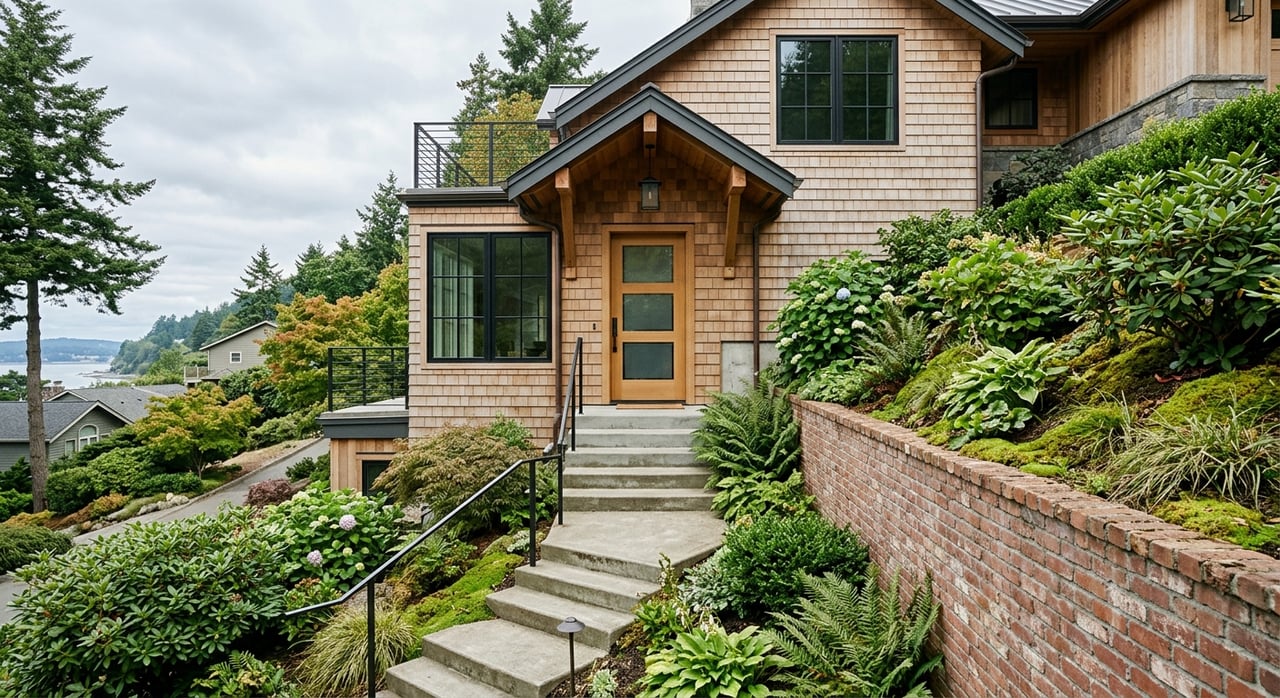
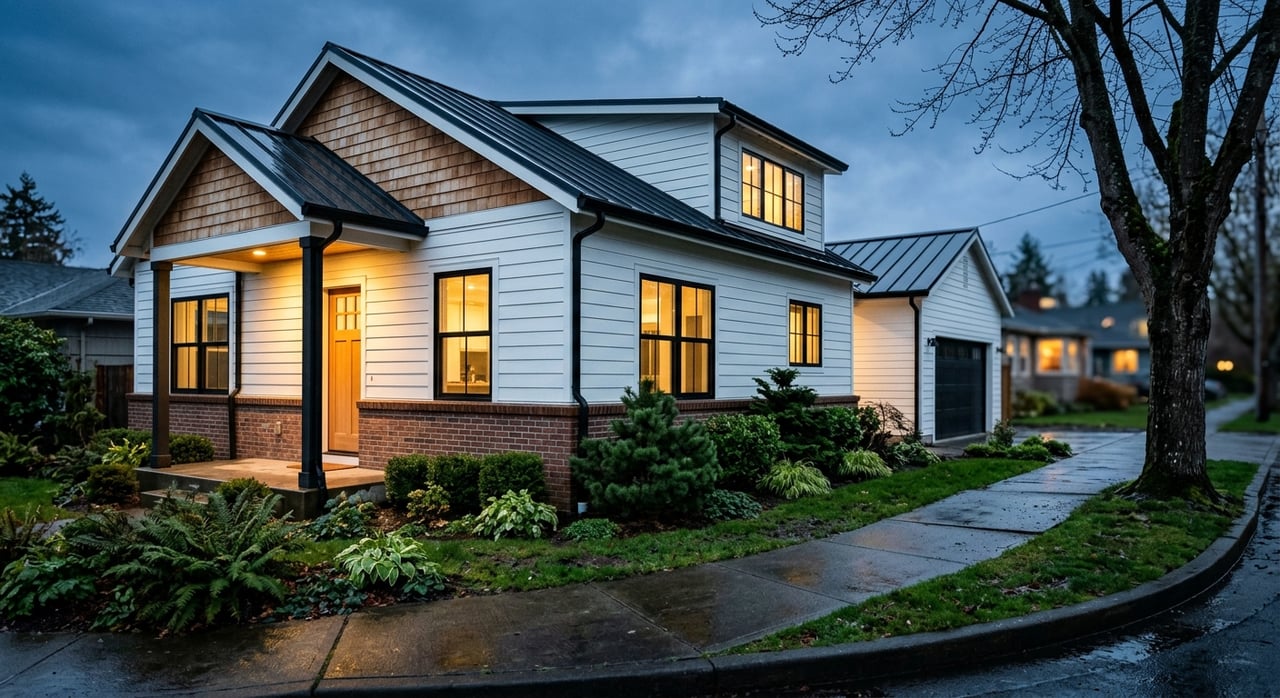
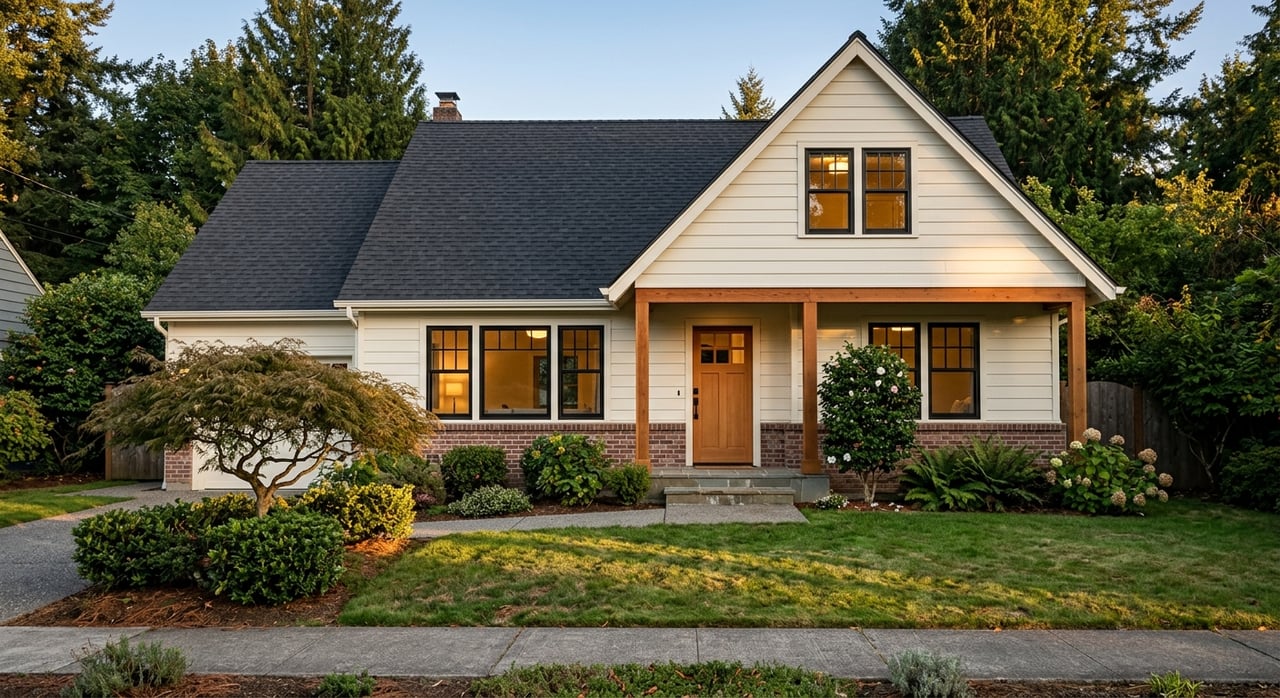
In terms of housing stock, most homes were built in the late 1930s and 1940s, according to King County’s current area report. The county describes the dominant building type as one- and two-story historic revival or contemporary single-family dwellings that are generally upscale and well maintained.
A helpful way to picture Magnolia is as a layered residential neighborhood rather than a single-era development. You will find older prewar homes, postwar single-family houses, updated view homes, and select waterfront parcels across the neighborhood.
View Homes and Waterfront Properties
King County notes that higher-quality homes are most prevalent along the Puget Sound view corridor in the southwestern part of Magnolia. It also states that waterfront properties along Puget Sound and Shilshole Bay are often high-bank or low-bank properties and may include private moorage buoys or docks.
That range gives Magnolia broad appeal for buyers with different goals. Some people are drawn to classic residential streets and established homes, while others are focused on view orientation, waterfront placement, or distinctive property settings.
For sellers, this variety is also important. In a neighborhood where location on the bluff, water orientation, and property setting can shape value, local positioning and marketing matter.
What Everyday Life in Magnolia Really Means
At a practical level, everyday life in Magnolia often comes down to a few recurring patterns: village errands, community-center activities, park time, bluff walks, and shoreline outings. The neighborhood supports those routines in a way that feels unusually cohesive.
That is a big part of Magnolia’s staying power. It offers a residential setting with strong neighborhood identity, but it also gives you access to one of Seattle’s most impressive collections of parks, views, and outdoor spaces.
If you are considering a move to Magnolia, or preparing to sell a home here, it helps to look beyond square footage and recent sales alone. The lifestyle story matters too, and Magnolia has one of the clearest lifestyle identities in Seattle.
Whether you are buying a classic single-family home, evaluating the value of a view property, or planning the next chapter for a long-held home, local insight can make a real difference. If you want tailored guidance on Magnolia real estate, connect with The Shutes Team.
FAQs
What is daily life like in Magnolia, Seattle?
- Daily life in Magnolia often centers on Magnolia Village errands, community-center programs, playfields, bluff walks, park time, and shoreline outings.
What makes Magnolia feel different from other Seattle neighborhoods?
- Magnolia stands out for its peninsula geography, limited access points, village core, large amount of parkland, and frequent water and mountain views.
What parks are in Magnolia, Seattle?
- Major Magnolia parks and green spaces include Discovery Park, Magnolia Boulevard, Magnolia Park, Magnolia Greenbelt, Magnolia Manor Park, Magnolia Playfield, and Magnolia Tidelands Park.
What types of homes are common in Magnolia?
- Magnolia is known mostly for single-family homes, especially homes built in the late 1930s and 1940s, along with updated view properties and select waterfront parcels.
Is Magnolia mostly residential?
- Yes. King County describes Magnolia as primarily residential, with limited retail and commercial use concentrated around Magnolia Village.
Does Magnolia have waterfront access?
- Yes. Magnolia includes shoreline-oriented recreation through places like Magnolia Tidelands Park and the 32nd Ave W Boat Launch.