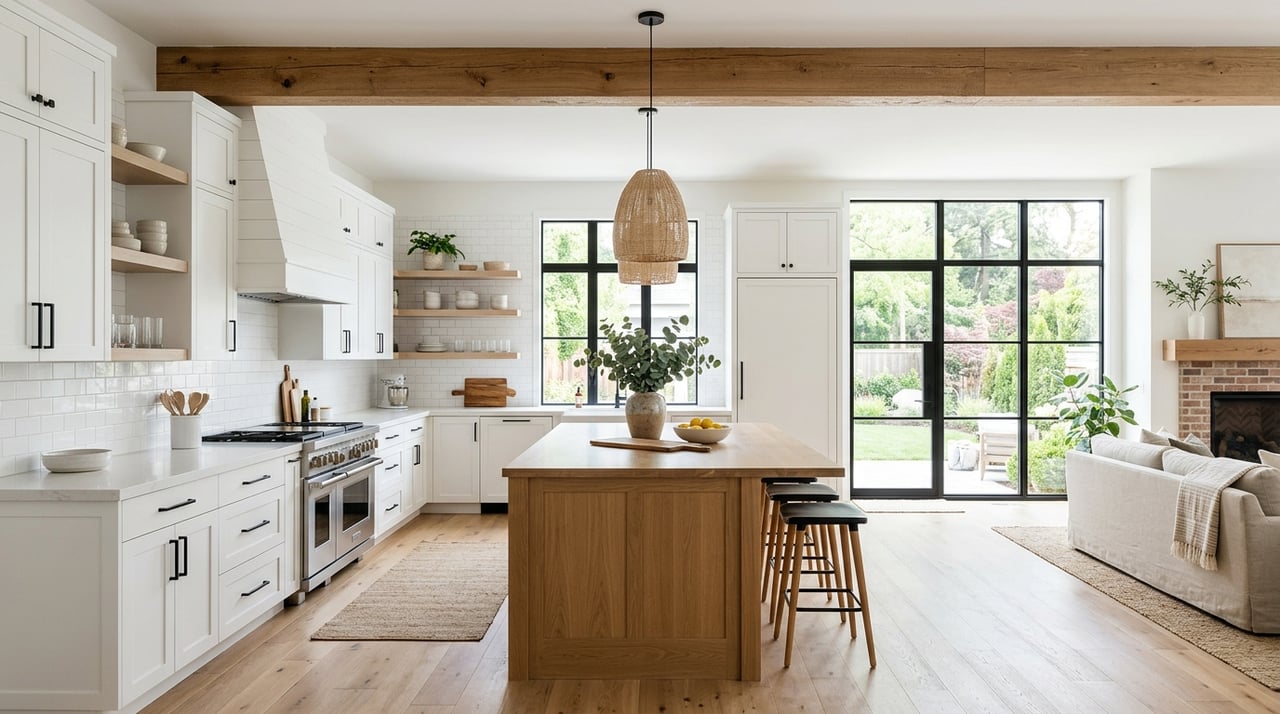
If you are thinking about selling in Magnolia, you are not stepping into a one-size-fits-all Seattle market. This neighborhood has view corridors, older homes, newer rebuilds, and pockets where slope, drainage, and access can shape how buyers judge value. With the right plan, you can make smart decisions early, reduce stress later, and put your home in a stronger position from day one. Let’s dive in.
Why Magnolia selling takes planning
Magnolia has a distinct housing mix that affects pricing and prep. King County describes it as a mostly residential neighborhood with limited retail, only three main access points, and a small-community feel. The county also notes that many homes were built in the late 1940s and 1950s, while a meaningful share of newer construction has been added from 2000 to the present.
That matters because buyers are not just comparing square footage. In Magnolia, they often weigh condition, lot characteristics, topography, and view value all at once. King County also notes that roughly 39% of parcels have some degree of view, which can create real differences in pricing from one block to the next.
The current market also rewards strong preparation. Over the three months ending April 2026, Magnolia’s median sale price was $1,309,513, up 5.2% year over year, with an average of 8 days on market. In April 2026, the neighborhood posted a 100.7% sale-to-list price ratio, which shows that well-positioned homes can move quickly.
Step 1: Price with Magnolia comps
A Magnolia pricing strategy should separate the value of the house, the lot, and the setting. A newer rebuild on a view lot may compete very differently than an older interior home that needs work. Waterfront influence, view exposure, slope conditions, and access can all shift what buyers are willing to pay.
This is why broad Seattle comparisons can miss the mark. Magnolia is a micro-market where one home’s premium may come from updated condition, while another home’s premium may come from lot size, outlook, or redevelopment appeal. Accurate pricing starts with the right local comps, not just the nearest recent sale.
Step 2: Pull documents early
Before your home goes live, gather the paperwork buyers are likely to ask for. In Washington, the seller disclosure form asks about roof leaks, basement flooding, additions or remodels, permits and final inspections, foundation or wall defects, pest issues, plumbing, electrical, HVAC concerns, and more.
The form also asks about flooding, drainage, fill dirt, landslides, shorelines, wetlands, critical areas, and environmental conditions. That is especially important in Magnolia, where King County notes that some parcels have been affected by landslides and restricted access. If your home has a more complex site history, early document prep can save time and reduce surprises.
If your property is a condo, townhome, or part of a common-interest community, pull HOA materials early too. The Washington disclosure form asks about dues, special assessments, shared common areas, and joint maintenance agreements.
Step 3: Tackle repairs buyers notice fast
Not every pre-sale project delivers the same value. In Magnolia, the smartest early repairs are often the ones tied to visible maintenance and risk reduction. Think roof condition, drainage, basement moisture, retaining walls, exterior paint, window trim, and any work that needs permit documentation.
These are the kinds of issues that tend to come up in disclosures and buyer questions. Older Magnolia homes can be especially sensitive to deferred maintenance, while hillside or view properties may bring added attention to drainage, stability, and exterior systems. When you address the obvious issues first, your home feels more cared for and easier to say yes to.
A simple repair triage list can help:
- Roof leaks or signs of wear
- Basement or crawl space moisture
- Drainage problems around the lot
- Retaining wall concerns
- Exterior paint and trim damage
- Broken windows, doors, or hardware
- Unpermitted additions, conversions, or remodels
- Smoke and carbon monoxide alarm status
Step 4: Stage for light and views
In a neighborhood like Magnolia, staging should help buyers notice what makes the home special. That often means opening sightlines, brightening rooms, simplifying furniture layouts, and making windows, decks, and patios feel like true assets.
National staging research in 2025 found that 83% of buyers’ agents said staging made it easier for buyers to visualize a future home. The same research found that 49% of sellers’ agents saw reduced time on market, and 29% said staging increased dollar value offered by 1% to 10%.
The most commonly staged rooms were the living room, primary bedroom, dining room, and kitchen. For Magnolia sellers, those spaces often matter even more because they are where natural light, outlook, and flow are easiest to showcase.
Step 5: Build a complete launch package
When homes are selling quickly, your first week matters. With Magnolia averaging 8 days on market in April 2026, it helps to launch only when everything is ready. A rushed listing can miss momentum that is hard to get back.
A strong launch package should include:
- Final cleaning
- Key repairs completed
- Staging in place
- Professional photography
- Clear showing instructions
- Completed disclosure materials
- HOA documents, if applicable
This is where a concierge-style process can make a real difference. Coordinating vendors, prep work, and presentation before launch creates a smoother first impression and gives buyers fewer reasons to hesitate.
Step 6: Understand Washington disclosures
Washington sellers should pay close attention to disclosure timing. Under RCW 64.06, a seller disclosure statement is required for most sales of residential real property with one to four dwelling units. Unless otherwise agreed, the seller must deliver the completed statement no later than five business days after mutual acceptance of the written contract.
The disclosure statement is for disclosure only. It is not a warranty, and it is not considered part of the written agreement between buyer and seller. Buyers generally have three business days after delivery to rescind, unless that right is waived in writing.
If you learn new information before closing that makes your disclosure inaccurate, the statement must be amended. If the issue is corrected at least three business days before closing, the buyer generally loses the rescission right tied to that amendment. In practical terms, accuracy and timing matter.
Step 7: Review offers beyond price
The highest offer is not always the strongest offer. In Magnolia, where the market can move quickly, it is smart to look at the full picture. Financing strength, inspection terms, appraisal risk, repair requests, and closing timing can all affect your final result.
A careful offer review should look at:
- Purchase price
- Down payment and financing strength
- Inspection contingency terms
- Appraisal risk
- Requested seller credits or repairs
- Proposed closing date
- Overall certainty of closing
This step is especially important when your home has unique characteristics. View value, lot conditions, older construction, or disclosure-sensitive items can all shape how stable an offer really is.
A practical Magnolia seller timeline
If you want the process to feel manageable, think of it as a project plan.
Weeks before listing
Start with pricing, a walk-through, and document gathering. Identify repairs, confirm any permit history you have, and pull HOA records if needed. This is also the time to plan staging and photography.
Final prep period
Complete high-impact repairs and refresh work. Clean, declutter, and stage the home so rooms feel bright and easy to understand. Finish your disclosure materials and organize anything buyers may ask to review.
Launch week
Go live only when the listing package is complete. Strong presentation matters in Magnolia because buyers often make fast judgments based on condition, setting, and whether the home feels move-in ready. The first few days of market exposure can shape the entire sale.
Offer and contract period
Review offers for certainty as well as price. Deliver disclosures on time, respond clearly to buyer questions, and stay prepared to update disclosures if new information comes up before closing.
What Magnolia sellers should remember most
Selling a home in Magnolia is rarely just about putting a sign in the yard. It is about understanding how buyers see your specific block, lot, view, condition, and risk profile. In a neighborhood with older homes, newer rebuilds, topography, and fast-moving demand, careful planning can give you a real edge.
If you start early, gather the right documents, focus on the repairs that matter most, and launch with polished presentation, you put yourself in a better position to attract strong interest and negotiate with confidence. That kind of preparation is often what separates a smooth sale from a stressful one.
If you are preparing to sell in Magnolia and want a thoughtful, neighborhood-specific plan, The Shutes Team can help you map out pricing, prep, presentation, and next steps.
FAQs
How fast do homes in Magnolia usually sell?
- Magnolia homes averaged 8 days on market in April 2026, though timing can vary based on price, condition, and view quality.
What repairs matter most before selling a Magnolia home?
- Early priorities often include roof issues, drainage, basement moisture, visible exterior wear, and any additions or remodels that need permit documentation.
What disclosures do Washington home sellers need to provide?
- For most one-to-four-unit residential sales, Washington requires a seller disclosure statement, and unless otherwise agreed it must be delivered no later than five business days after mutual acceptance.
Can staging help a Magnolia home sell better?
- Staging can help buyers visualize the home, and 2025 staging research found that many agents saw reduced time on market and, in some cases, higher offers.
Why is Magnolia pricing different from other Seattle neighborhoods?
- Magnolia pricing can be shaped by view value, lot characteristics, topography, older versus newer construction, and location-specific access or slope considerations.
What should Magnolia condo or townhome sellers gather before listing?
- If the property is part of a common-interest community, gather HOA documents, dues information, special assessment history, and details about shared maintenance early in the process.