Wondering whether the top of Queen Anne or the slopes fit your lifestyle better? It is a smart question, because Queen Anne does not live like one uniform neighborhood. Depending on where you land on the hill, you may find a more house-centered setting, a more urban condo scene, or premium view blocks with quick access to downtown. This guide breaks down the housing, pricing, walkability, and day-to-day feel so you can compare the options with more confidence. Let’s dive in.
How to Think About Queen Anne
Queen Anne makes the most sense when you think of it in bands rather than as one single market. In broad terms, the top of Queen Anne refers to the flatter Upper or North Queen Anne core, while the slopes can mean the south-slope view areas or the lower edge near Seattle Center and Uptown.
That distinction matters when you are buying or selling. The top of the hill tends to feel more residential and centered around the Queen Anne business district, while the lower areas connect more directly to downtown, Seattle Center, and a denser mix of housing and amenities.
Top of Queen Anne at a Glance
The top of Queen Anne is known for its flatter streets, neighborhood main-street feel, and strong access to local shops and restaurants along Upper Queen Anne Avenue N. Seattle describes that stretch as a busy business district reached by walking, biking, or bus, and the Queen Anne Historical Society counted more than 94 businesses there, most of them locally owned.
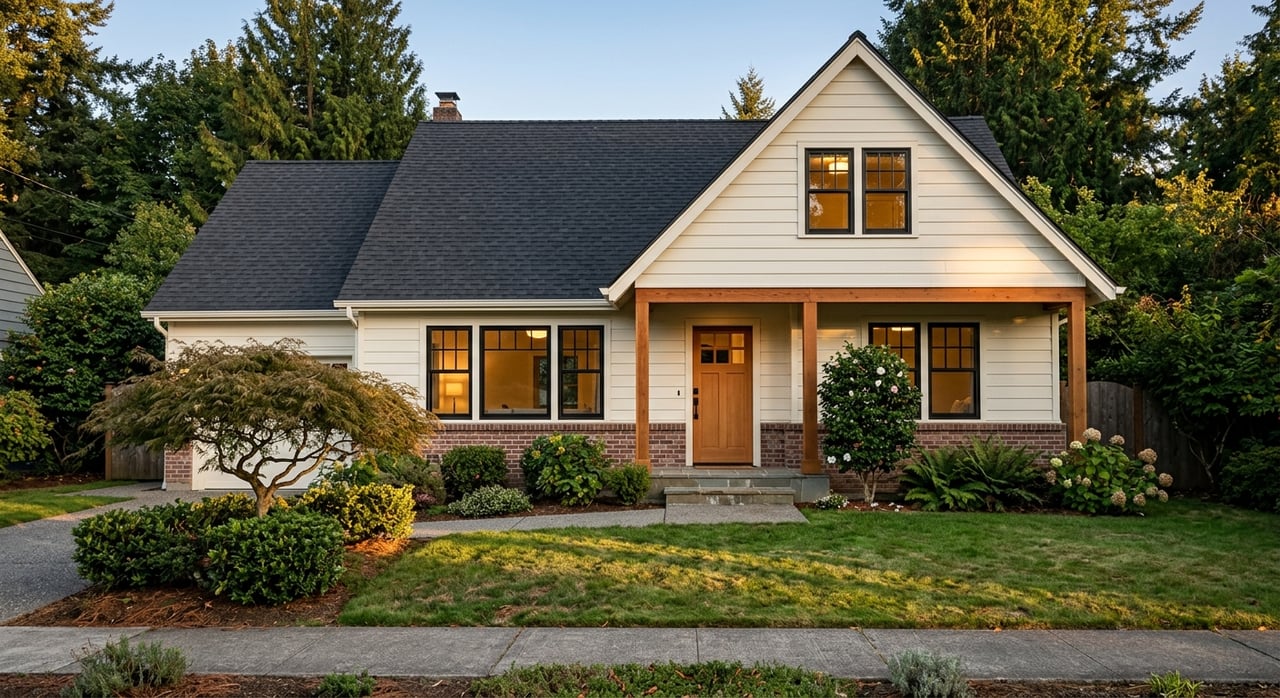
From a housing standpoint, the hilltop skews more toward single-family homes. King County notes that much of this area is mostly single-family zoned, which helps explain why buyers often look here when they want a more traditional neighborhood layout with fewer high-density blocks.
Slopes and Lower Queen Anne at a Glance
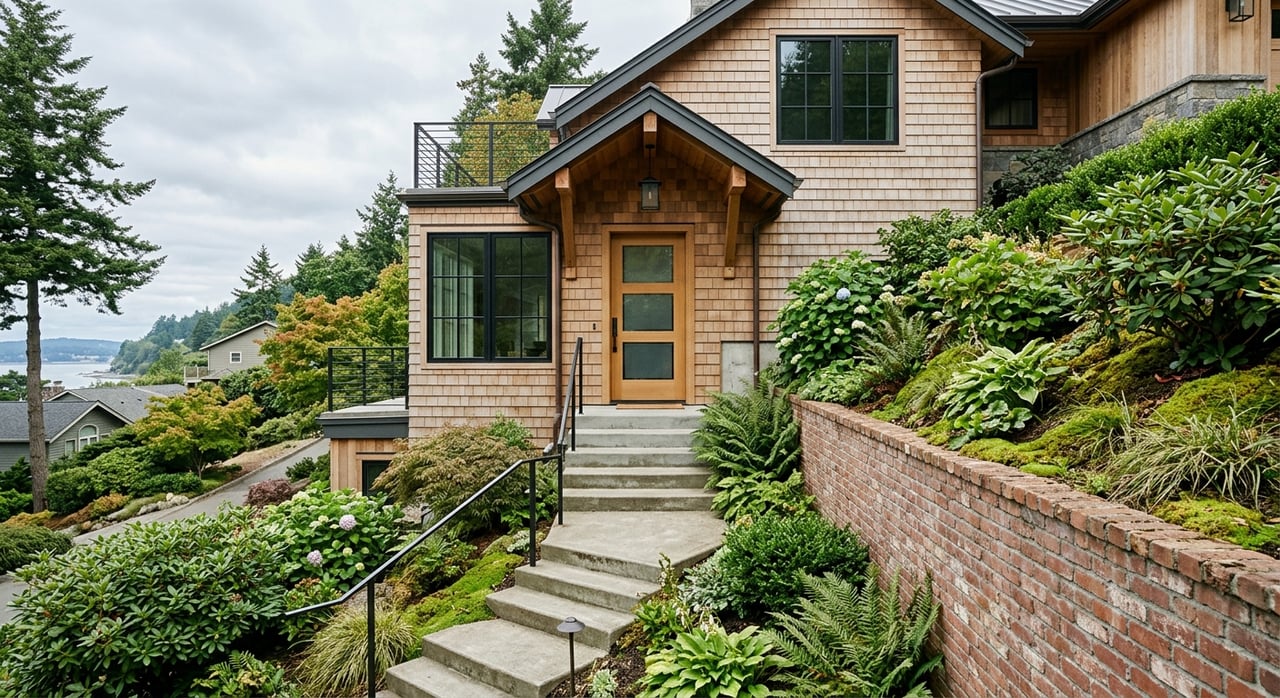
The slopes tell a more varied story. On the south slope west of Queen Anne Avenue, King County describes some of the neighborhood’s most desirable blocks, including older mansions, more view homes, and some of the highest property values in Queen Anne.
Farther down toward Uptown and South Lake Union, the housing mix changes. King County notes more non-single-family zoning in these lower areas, along with townhouse redevelopment, and current inventory in Lower Queen Anne shows a strong condo presence.
Housing Types: Houses, Condos, and Views
If your priority is a detached home, the top of Queen Anne usually gives you a clearer path. The area is more house-oriented overall, and that tends to appeal to buyers looking for more classic residential blocks and a quieter daily rhythm.
If you want a condo, townhouse, or a more urban setup, Lower Queen Anne and the lower slopes offer more of those options. Recent inventory there included 66 condos, 6 townhouses, and 2 multi-family units for sale in one recent monthly snapshot, which reflects a much broader attached-housing mix.
The south slope sits in between these two worlds. It can offer a more view-driven housing experience and a premium feel, while still keeping you closer to the urban core than the flatter top-of-hill areas.
Home Prices: What the Market Looks Like
Price is one of the clearest differences between the top and lower portions of Queen Anne. In current market data, North Queen Anne shows a median sale price of about $1.14 million, with a median new-listing price around $995,000.
Lower Queen Anne comes in at a lower median sale price, at about $809,728. That makes the lower area more accessible on a median basis, even though the actual listing mix is wide and can include both smaller condos and higher-end residences.
A practical shorthand is this: the top of Queen Anne is currently a roughly $1 million-plus market, while Lower Queen Anne is closer to the low-$800,000s by median sale price. Still, Lower Queen Anne’s listings can range from about $239,000 to $530,000 for smaller condos, while some larger homes or premium residences rise above $1.5 million.
Walkability and Daily Convenience
If walkability is your top priority, Lower Queen Anne has the edge. Current market snapshots show a Walk Score of 92, along with 69 Transit and 76 Bike, making it the more car-light option in this comparison.
North Queen Anne is still very walkable, with a Walk Score of 74, plus 61 Transit and 65 Bike. For many buyers, that means you still get good everyday convenience, just in a less dense setting.
The difference often comes down to what kind of walkability you want. At the top of the hill, walkability is tied to a neighborhood business district and daily errands. Lower on the hill, walkability expands into a more urban pattern with entertainment venues, transit access, and a broader mix of services nearby.
Lifestyle Feel: Main Street vs. Urban Energy
The top of Queen Anne tends to feel residential first. You have the local retail spine on Upper Queen Anne Avenue N, a flatter core, and a rhythm that many buyers describe as neighborhood-oriented.
The slopes and Lower Queen Anne feel more urban first. Seattle identifies Uptown as an official Arts & Cultural District and describes it as a cultural hub connected to Seattle Center, with theaters, galleries, music venues, and food shaping the area’s identity.
That creates two very different day-to-day experiences. If you want a local main street and a house-centered setting, the top of the hill often stands out. If you want to be closer to cultural destinations, employers, and a denser city feel, the slopes and lower areas may be a stronger match.
Transit and Getting Around
Transit is solid on the hill, but stronger lower down. King County Metro routes 1, 2, and 4 all serve Queen Anne Hill or nearby stops, connecting riders to areas such as downtown, Seattle Center, and East Queen Anne.
Lower Queen Anne and Uptown add another layer of convenience. The area benefits from RapidRide D Line service, Route 8 stops in Lower Queen Anne, and the Seattle Center Monorail connection to downtown Westlake.
For buyers who expect to rely on transit regularly, the lower slopes usually offer the bigger advantage. For buyers who prioritize a residential feel and are comfortable with somewhat less transit density, the top of Queen Anne remains a strong option.
Which Area Fits You Best?
Your best fit often depends less on the name Queen Anne and more on how you want your day-to-day life to work. The top of the hill usually suits buyers who want more house-oriented housing, fewer high-density blocks, and a walkable neighborhood business district.
Lower Queen Anne and Uptown usually fit buyers who want the most walkable, condo-friendly, and transit-rich version of Queen Anne. If you are drawn to views and premium positioning, the south-slope blocks may offer the middle ground, with a more elevated housing feel and closer access to the urban core.
What This Means for Buyers and Sellers
If you are buying, it helps to compare micro-locations instead of searching Queen Anne as one broad bucket. A home at the top of the hill and a home lower on the slopes may share a neighborhood name but offer very different pricing, housing stock, and lifestyle benefits.
If you are selling, your exact location on Queen Anne Hill shapes how your home should be positioned in the market. Walkability, housing type, proximity to the business district, transit access, and view orientation can all affect how buyers see value.
That is where local neighborhood context matters. In a place like Queen Anne, the story around your block can be just as important as the square footage or bedroom count.
Whether you are comparing the hilltop to the slopes or preparing to sell in one of Queen Anne’s distinct micro-markets, working with a team that understands the nuance can make the process much clearer. The Shutes Team brings neighborhood-focused guidance, pricing insight, and high-touch service to buyers and sellers across Queen Anne and nearby Seattle neighborhoods.
FAQs
Is the top of Queen Anne more expensive than Lower Queen Anne?
- Usually yes. Current market snapshots show North Queen Anne at about $1.14 million median sale price versus about $809,728 in Lower Queen Anne.
Which part of Queen Anne is most walkable for daily errands and outings?
- Lower Queen Anne and Uptown are the most walkable in this comparison, with a Walk Score of 92, compared with 74 for North Queen Anne.
Which part of Queen Anne has more single-family homes?
- The top of Queen Anne and some south-slope areas skew more single-family, while Lower Queen Anne has a heavier mix of condos and townhouses.
What is the lifestyle difference between top of Queen Anne and the slopes?
- The top of Queen Anne tends to feel more residential and centered on a neighborhood business district, while the slopes and lower areas feel more urban and closer to Seattle Center, downtown access, and cultural destinations.
Is Lower Queen Anne better for transit access than the top of the hill?
- In most cases, yes. Lower Queen Anne and Uptown have stronger transit access through RapidRide D Line, Route 8, and the Seattle Center Monorail, while the hilltop is served by Metro routes 1, 2, and 4.